The shoes below run from opera pumps for evening dress to work boots made for hard daily use, and the week you actually live decides where to put your money.
Construction deserves a share of the budget at every formality level, because a shoe built to be resoled outlasts one that is simply glued together.
1. Loafers
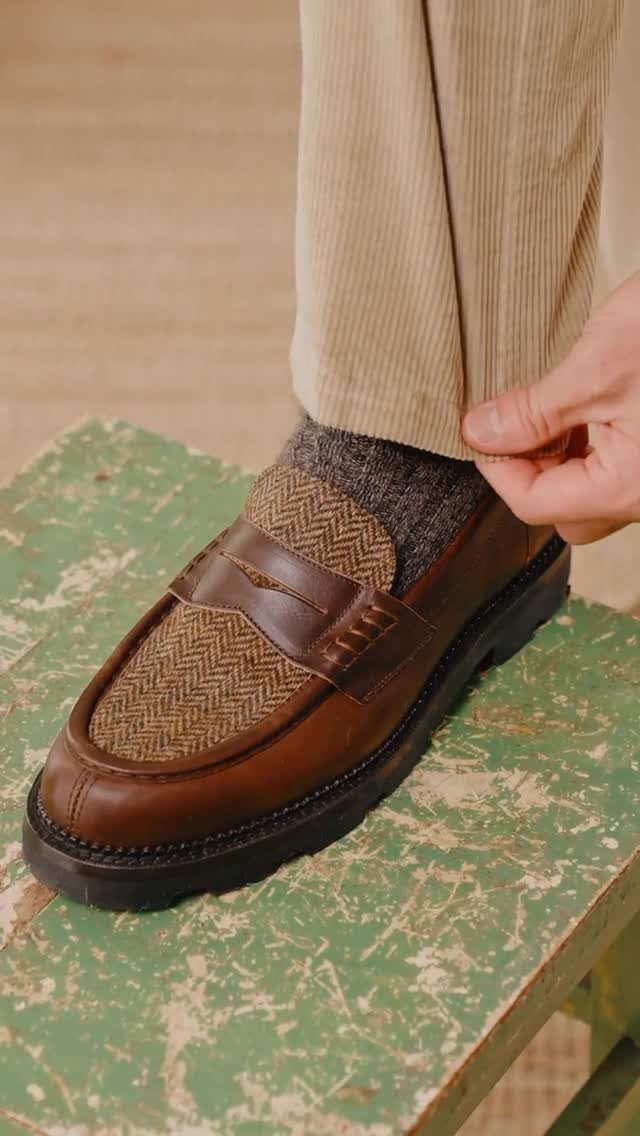
Loafers skip the laces entirely, which means you can lean into texture without worrying about visual competition from hardware. I like them most with textured trousers like that, since the shoe stays relaxed without looking careless.
A loafer can sit anywhere from casual to dressy, so check the leather and the finish before you buy. A smooth, polished pair goes with tailoring; a softer, more detailed pair belongs with weekend clothes.
2. Oxford Shoes
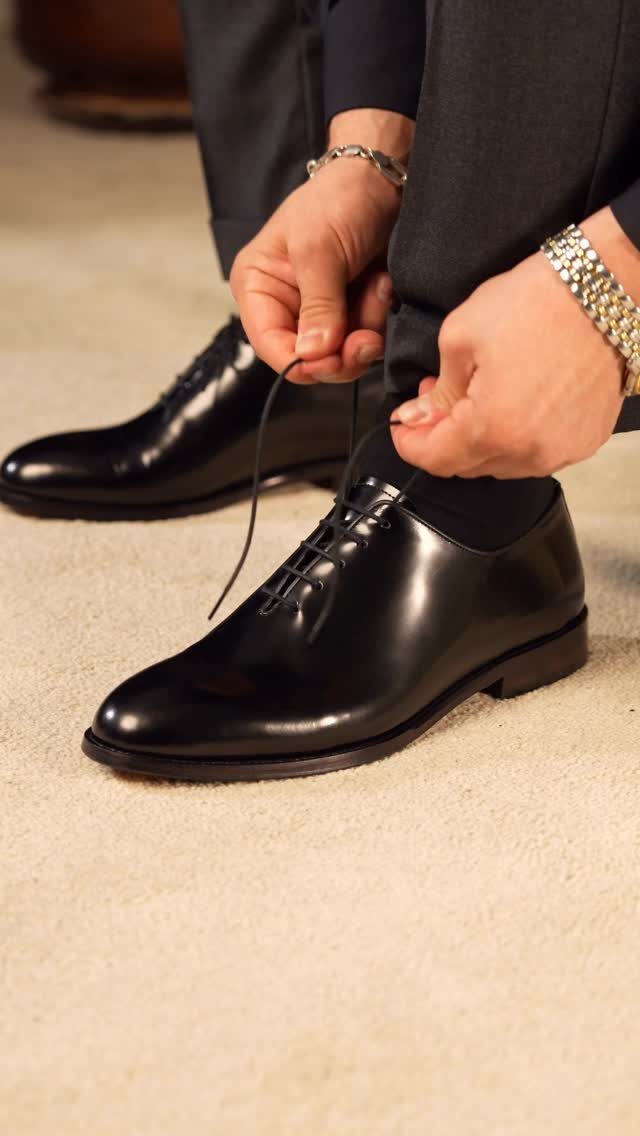
Closed-throat lacing is what makes an Oxford an Oxford: the eyelet panel is stitched beneath the front of the shoe, so the sides pull together into one clean line.
That sleek, formal silhouette is why black leather is the version I would buy first.
Grey trousers, as above, are an easy partner. For anyone building a small wardrobe, one pair covers the most formal occasions on the calendar.
3. Monk Straps
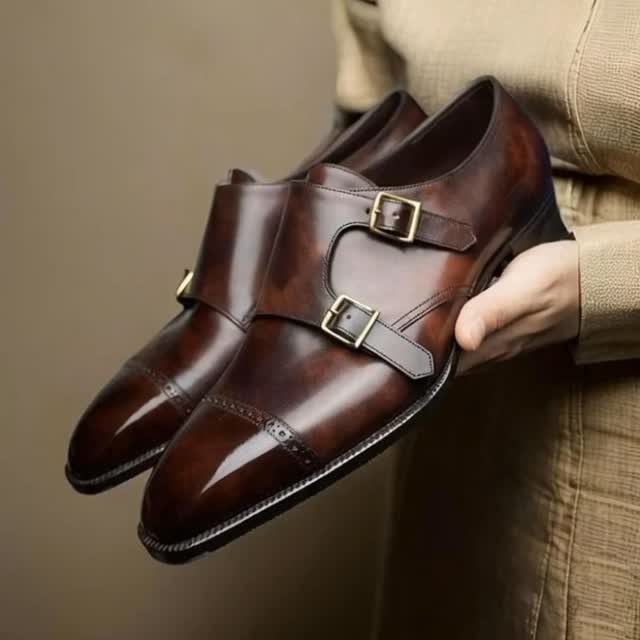
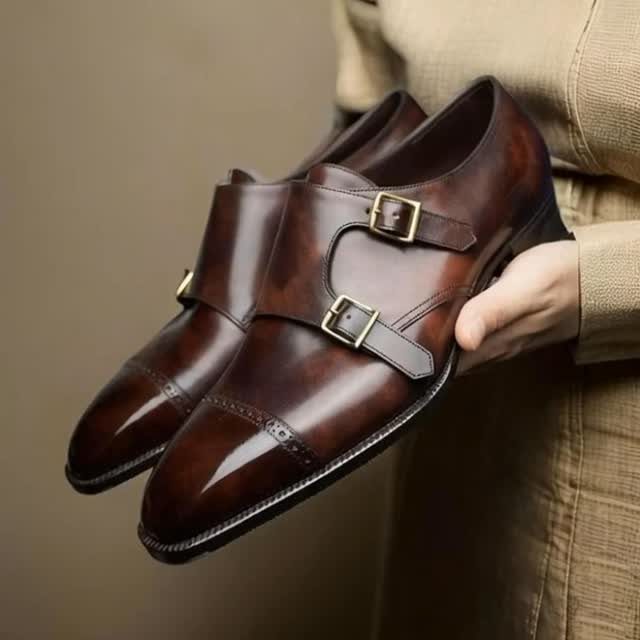
Buckles replace laces here, and that changes the whole look of a dress shoe. A monk strap fastens with one or two straps, which gives it more personality than a plain lace-up without leaving formal territory.
I would pick the double strap if you want the shoe to be noticed, and the single if you want it quiet.
4. Derby Boots
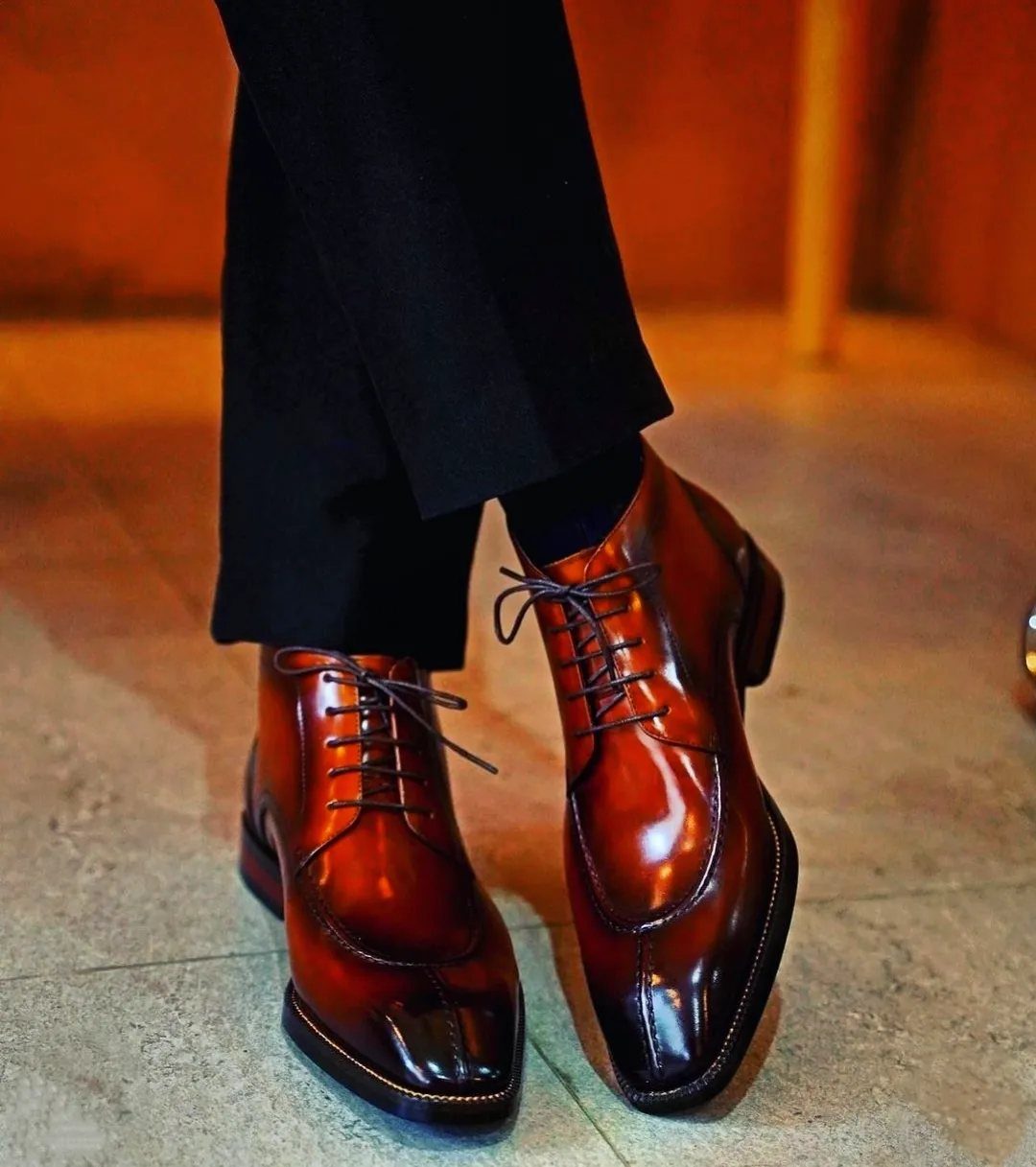
Open lacing is the giveaway on a derby boot: the quarters are sewn on top of the vamp, so the lace panel can spread apart.
That makes the boot a little easier to get on and off than a closed-lace style.
I would keep the trousers slim and uncluttered.
5. Dress Boots
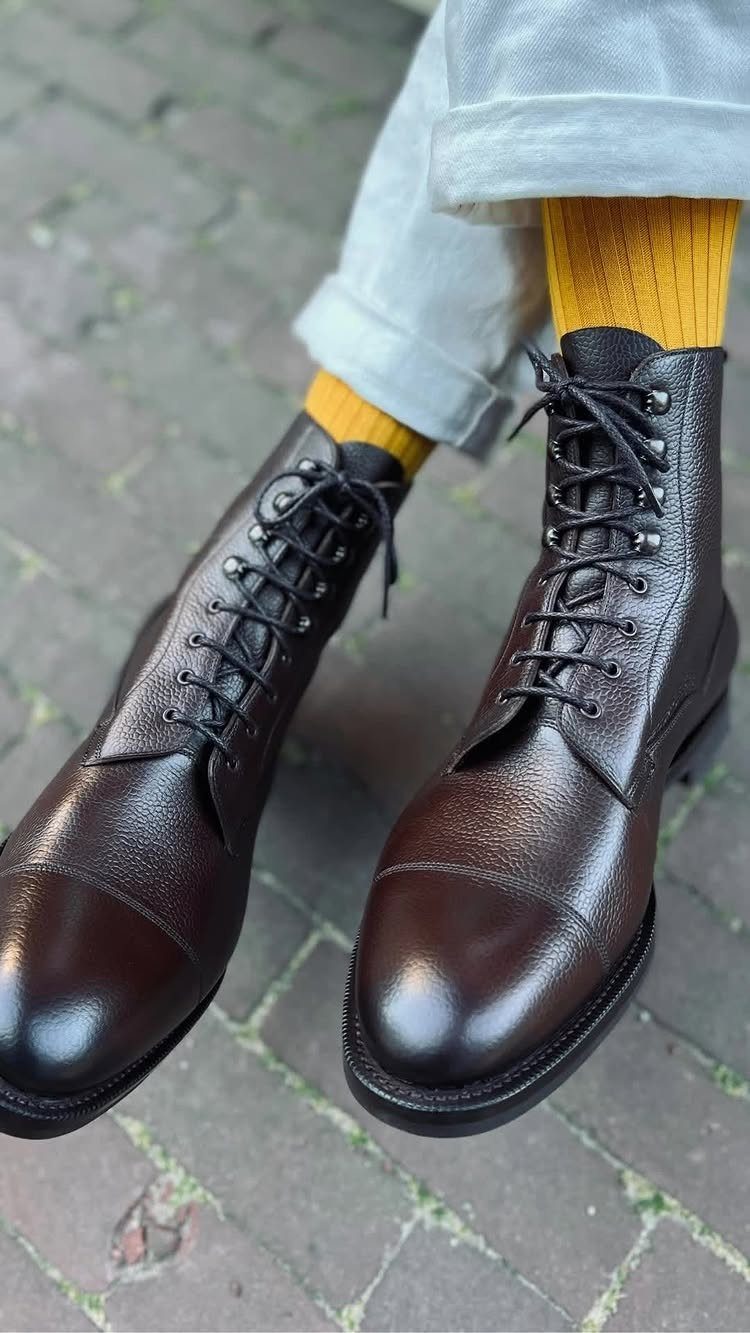
Ankle height plus a polished finish makes a dress boot the cold-weather answer to a lace-up dress shoe. It can sit under tailored trousers without looking like work gear, which is the point of buying one.
Dark brown leather is the version I would choose; it works with more colors than you might expect. Light trousers, as above, show off the shine, and a bold sock adds personality if you want it.
6. White Sneakers
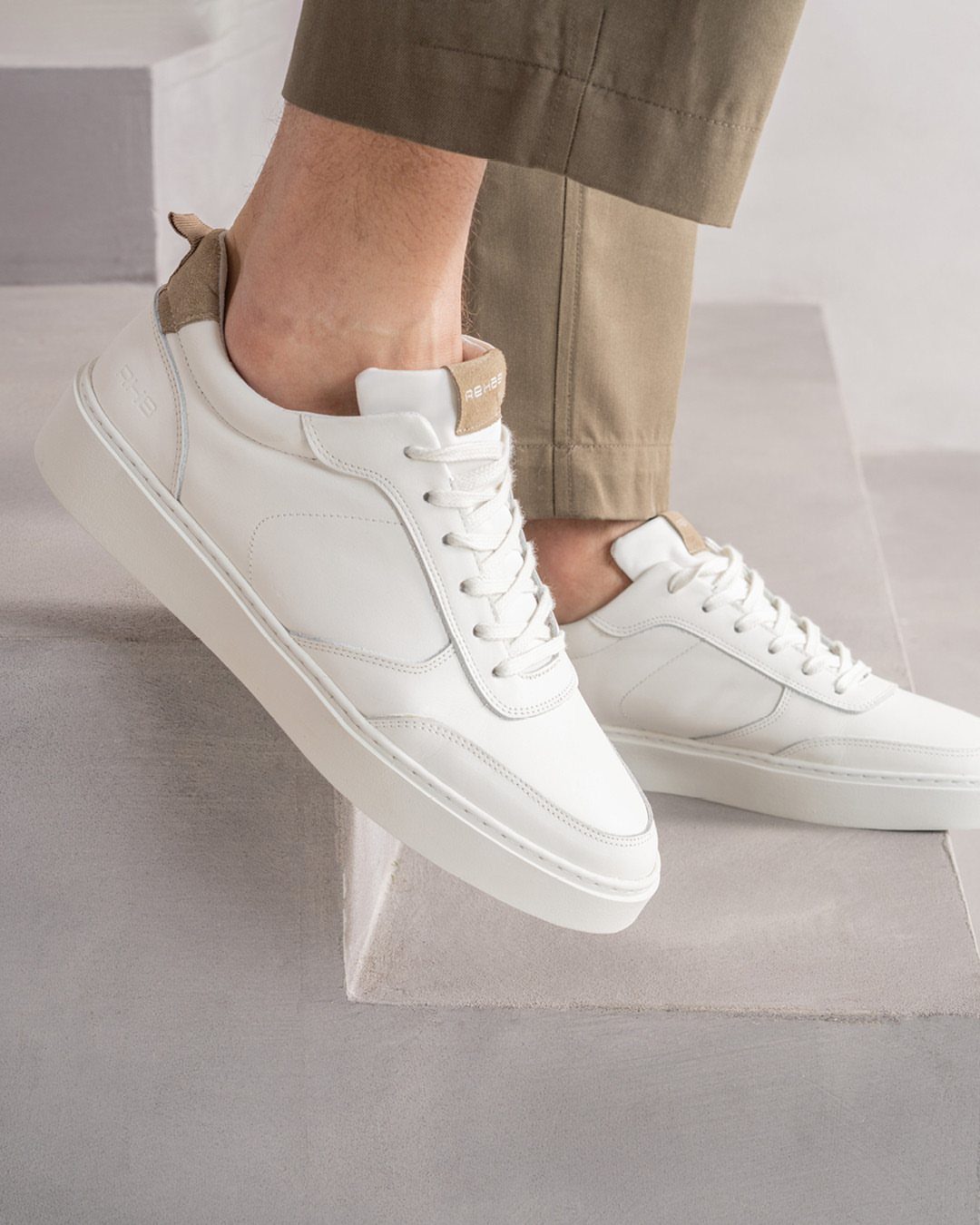
Low-profile white leather sneakers are the casual shoe I reach for when an outfit needs to look finished.
Wipe leather clean often, because a scuffed white sneaker loses its polish quickly. Chinos or dark denim are the easiest partners.
7. Derby Shoes
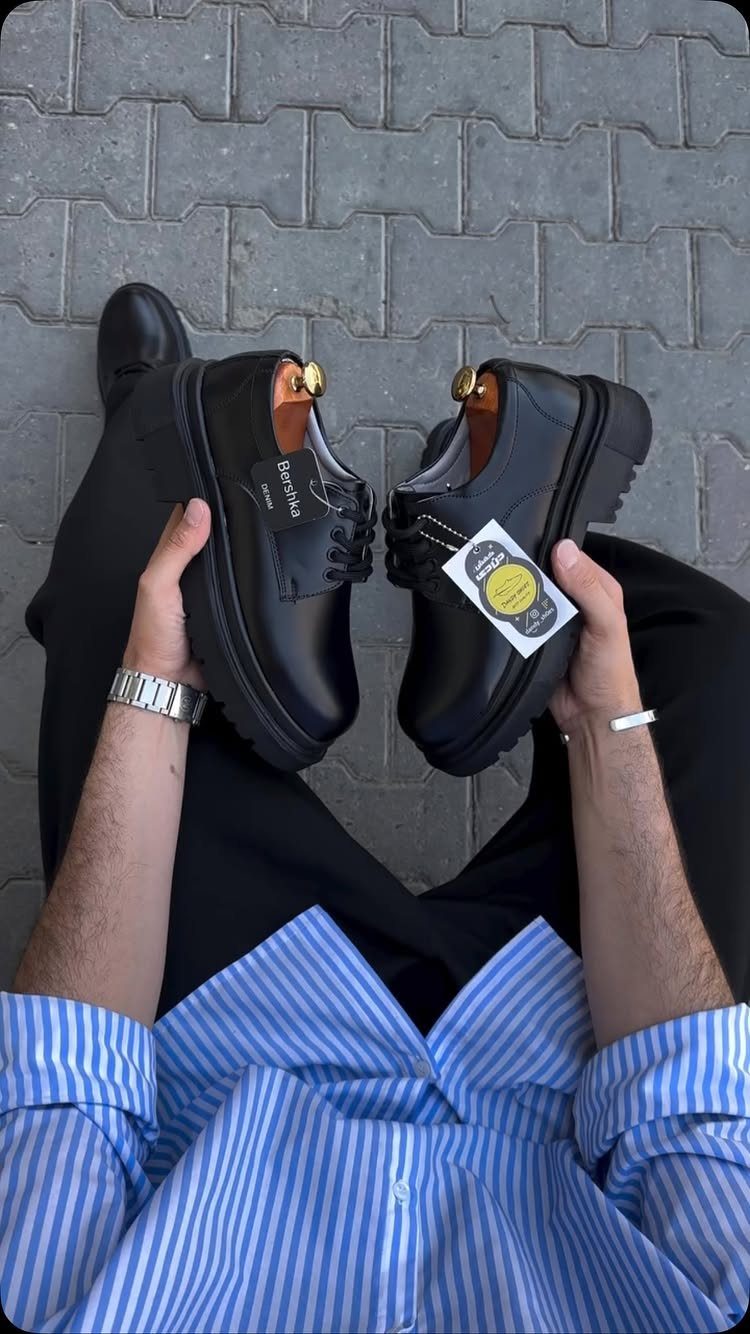
On a derby, the quarters are stitched over the vamp, so the lacing spreads open, and that open construction is why it sits a notch below an Oxford in formality.
A thick sole pushes a derby further toward casual, so save the slim leather sole for dressier days.
For everyday wear, this is the lace-up I would reach for first.
8. Brogue Shoes
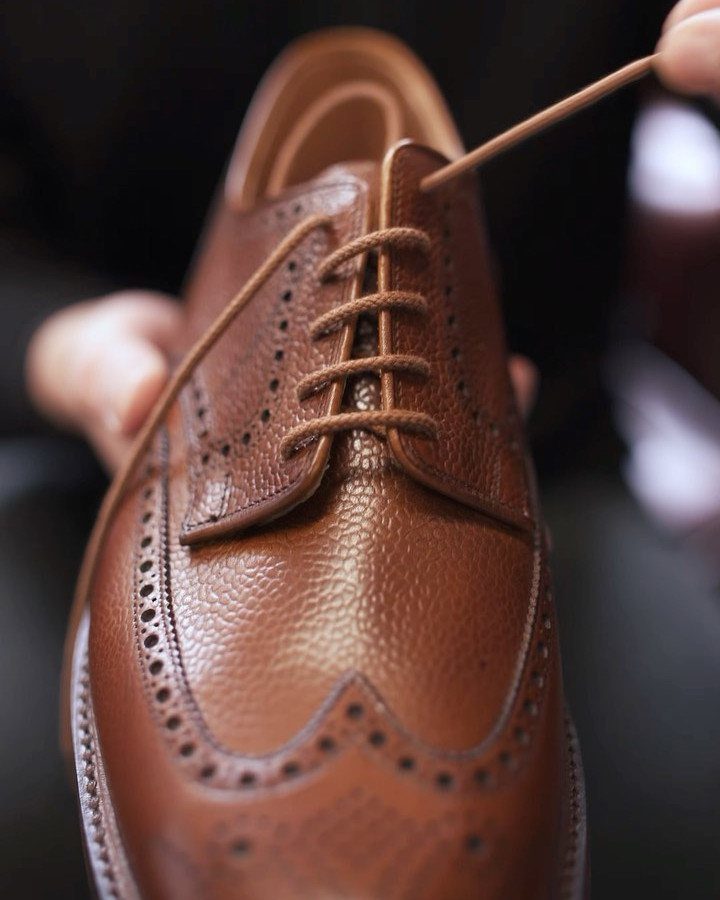
Broguing is the decoration, not the shoe: decorative perforations punched into the leather, which can appear on different constructions. So check what sits underneath before you decide how dressy the pair is.
Tan or brown leather is my pick for brogues, because the perforations read more clearly there than on black. Wear them with weekend clothes and let the holes do the talking.
9. Driving Shoes
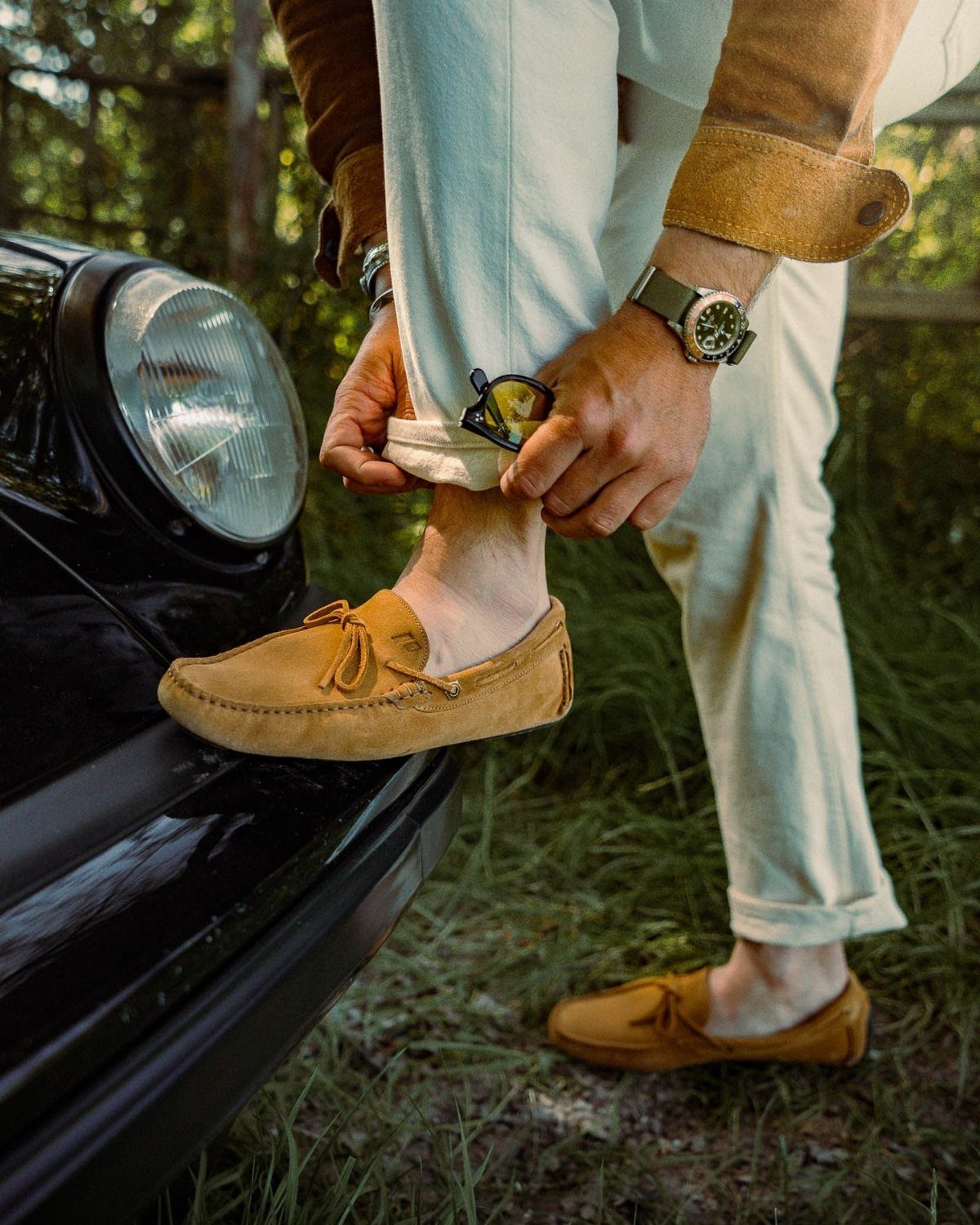
Rubber nubs across the sole give a driving shoe away at a glance, and the soft, flexible slip-on build explains the rest of the look. Tan suede, as above, looks best against light trousers.
I would skip socks that show. Nothing should interrupt the line between trouser hem and shoe.
Your choice of footwear is a silent communicator. Whether you’re wearing weathered Doc Martens (suggesting a love for rock subculture) or Chuck Taylors (a throwback to your 15-year-old self), make sure your shoes match the environment.
10. Espadrilles
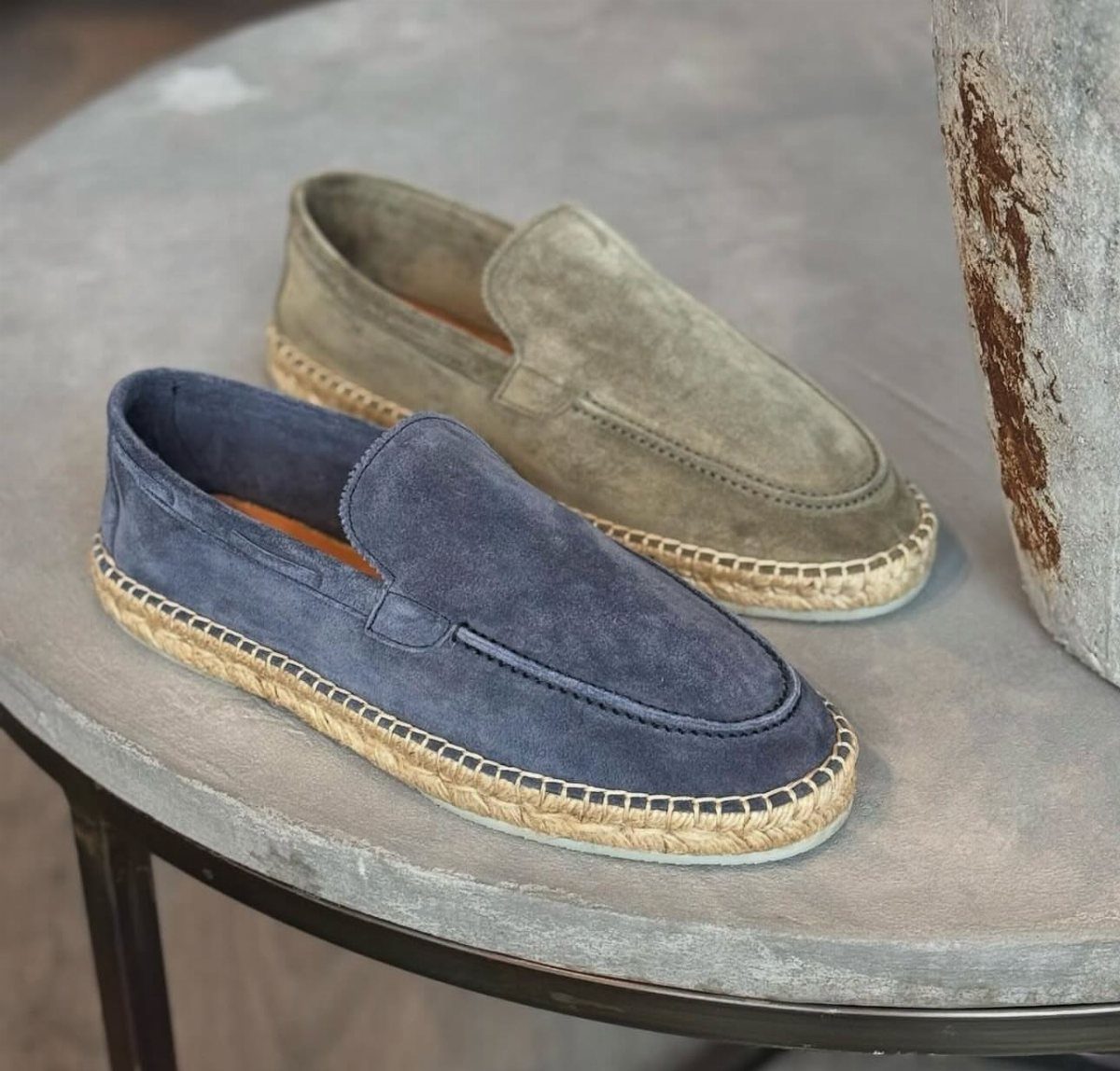
Braided jute soles tell you this is a shoe for warm weather, closer to beach and resort wear than to the office. Suede uppers keep it a little smarter than canvas.
Navy is the first espadrille color I would buy, since it works with more of a summer wardrobe, from khaki shorts to white linen. Olive is the one to add later.
11. Wholecut Oxfords
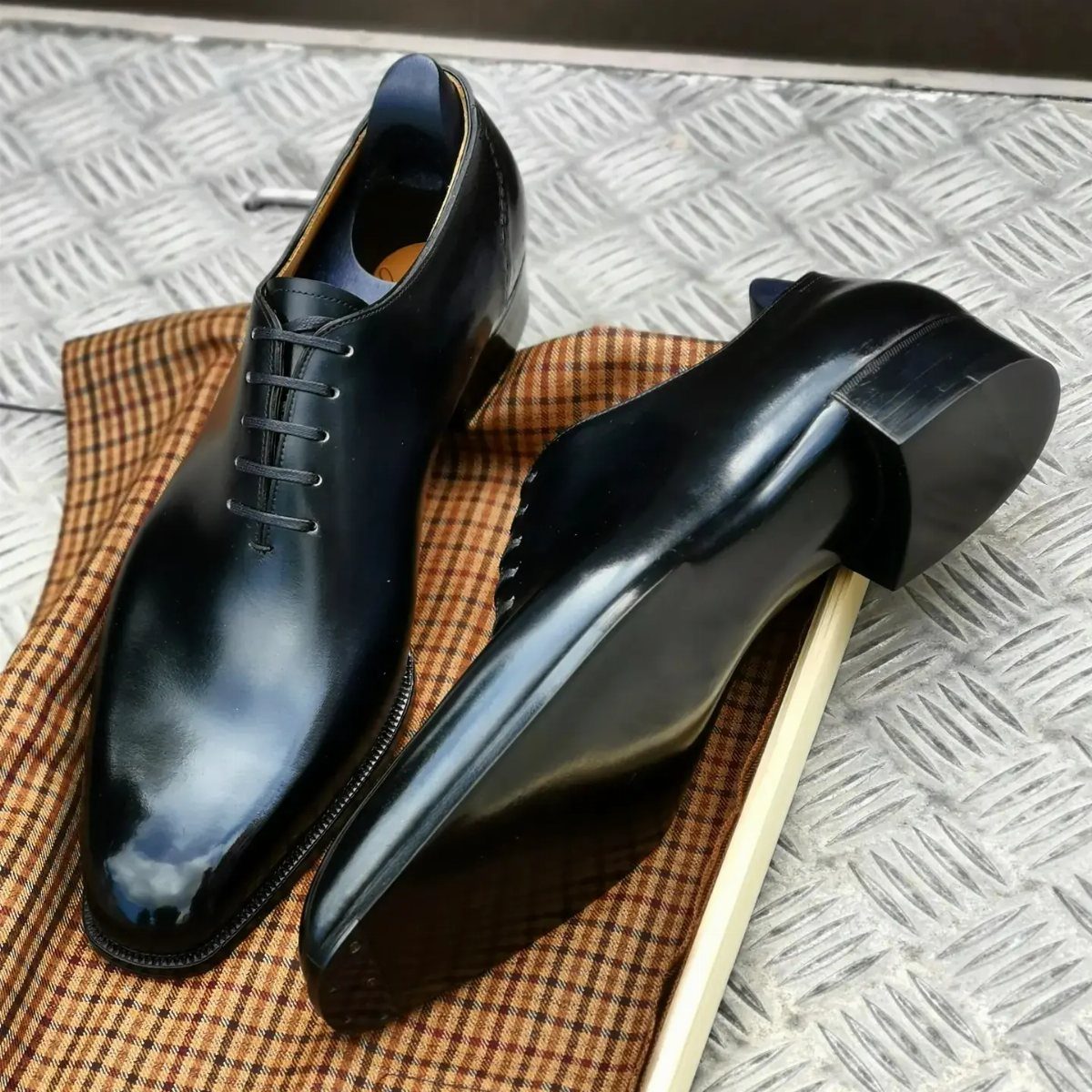
One piece of leather, no seams across the upper: that is a wholecut Oxford, and with nothing to break up the surface, the polish does all the work.
Black is my pick, because a high shine looks best on a clean, dark finish.
Wear it with dark tailoring and keep the rest of the outfit plain. Skip it for casual days; it will look out of place.
12. Performance Sneakers

Performance sneakers are built to support exercise and movement, so I buy them for the gym or a run and not for looks.
White performance sneakers, including pairs from Adidas, can pass for casual shoes, but the athletic design still gives them away.
Pair them with sportswear, like a track jacket and a cap, where the athletic look fits instead of clashing. With tailoring or chinos, I would choose a different sneaker.
13. Casual Sneakers
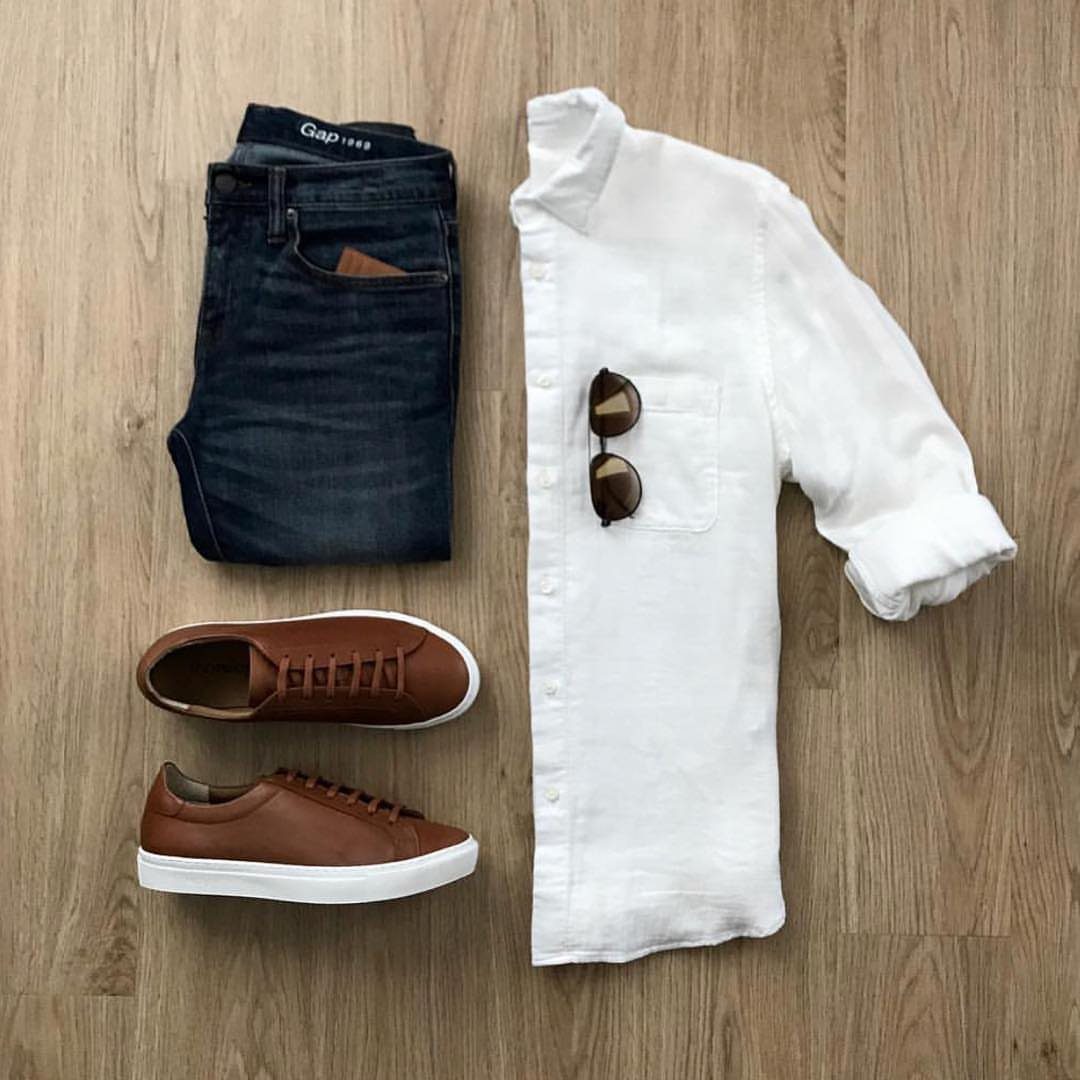
Brown leather warms up an everyday sneaker in a way white or grey can’t, and I find it works best with dark indigo denim and a plain white shirt, where the cool, quiet pieces let the brown read clearly.
These are made for movement and daily wear, so I treat them as the pair to grab on ordinary days.
Keep the rest of the outfit simple and let the leather be the one color note.
14. Chukka Boots
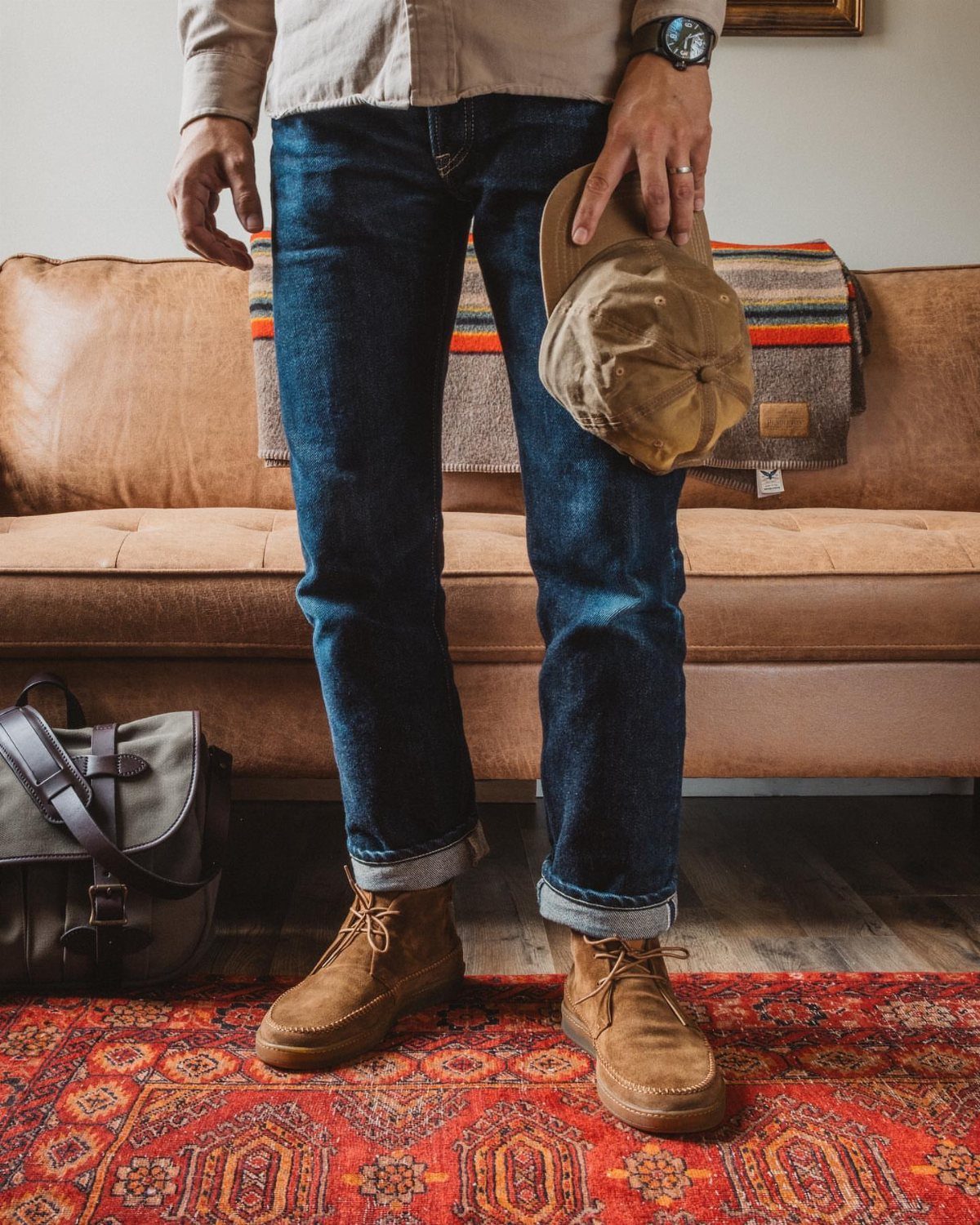
Two or three pairs of eyelets keep a chukka short and uncomplicated: an ankle-height boot with no extra detail. Tan suede is the version I would buy, since it softens a pair of dark jeans.
Cuff the hem once so the full profile shows. A boot this plain deserves a clear line between denim and suede.
15. Desert Boot
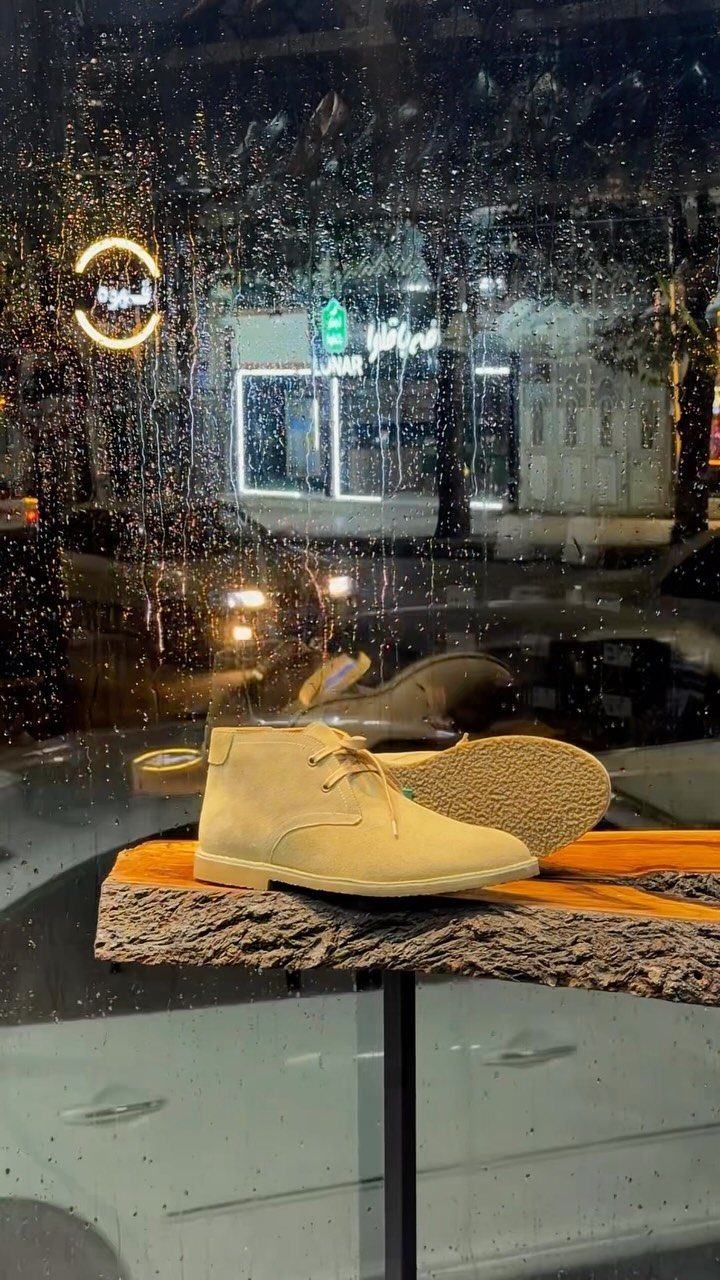
No heavy decoration, no polished finish, just a relaxed boot that often comes in suede. That plainness is the appeal of a desert boot, and beige suede shows it best.
Chinos or jeans suit it. I would keep the outfit easy and unfussy, because the boot is not trying to impress anyone.
16. Canvas Sneakers
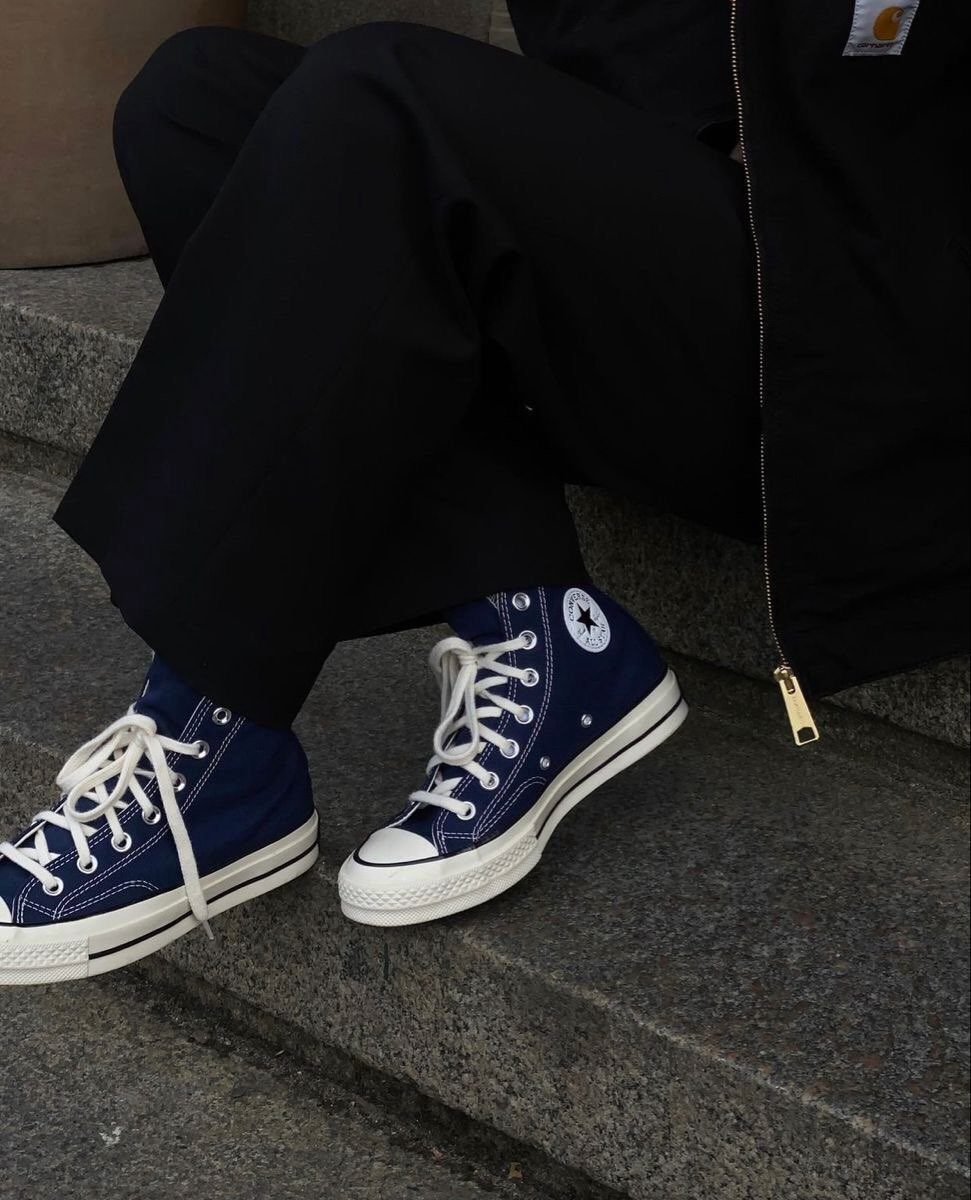
Lightweight canvas uppers make these the easiest sneakers to throw on with almost anything casual. Navy high-tops with white laces and dark trousers give a low-contrast outfit where the laces provide the only break.
Pick high-tops if you like a bit more presence at the ankle. Low-tops suit anyone who wants a quieter shoe.
17. Boat Shoes
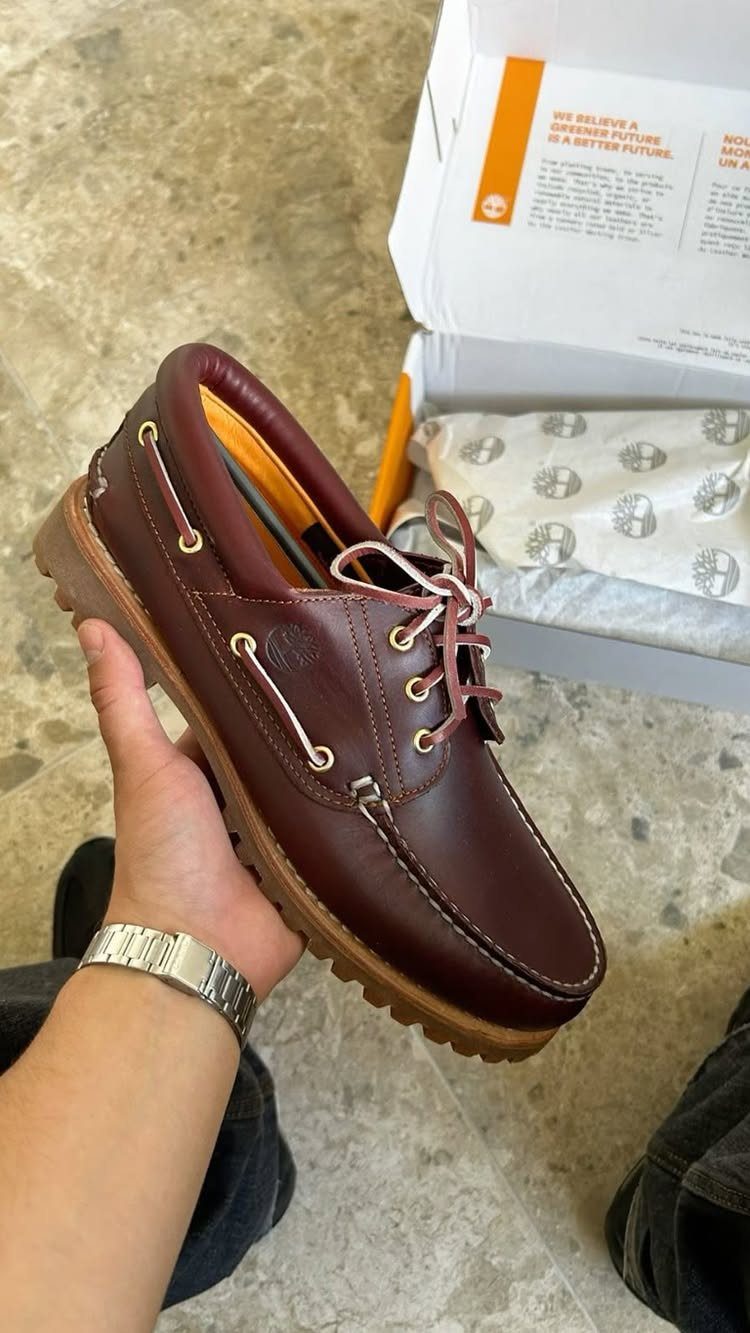
Moccasin construction, a rubber sole and laces that run around the collar: that combination defines a boat shoe. The lacing is a design feature, not just a way to fasten the shoe.
Burgundy leather is the bolder choice, and I like it, but brown is the quieter first pair. Keep the clothes relaxed.
18. Opera Pumps
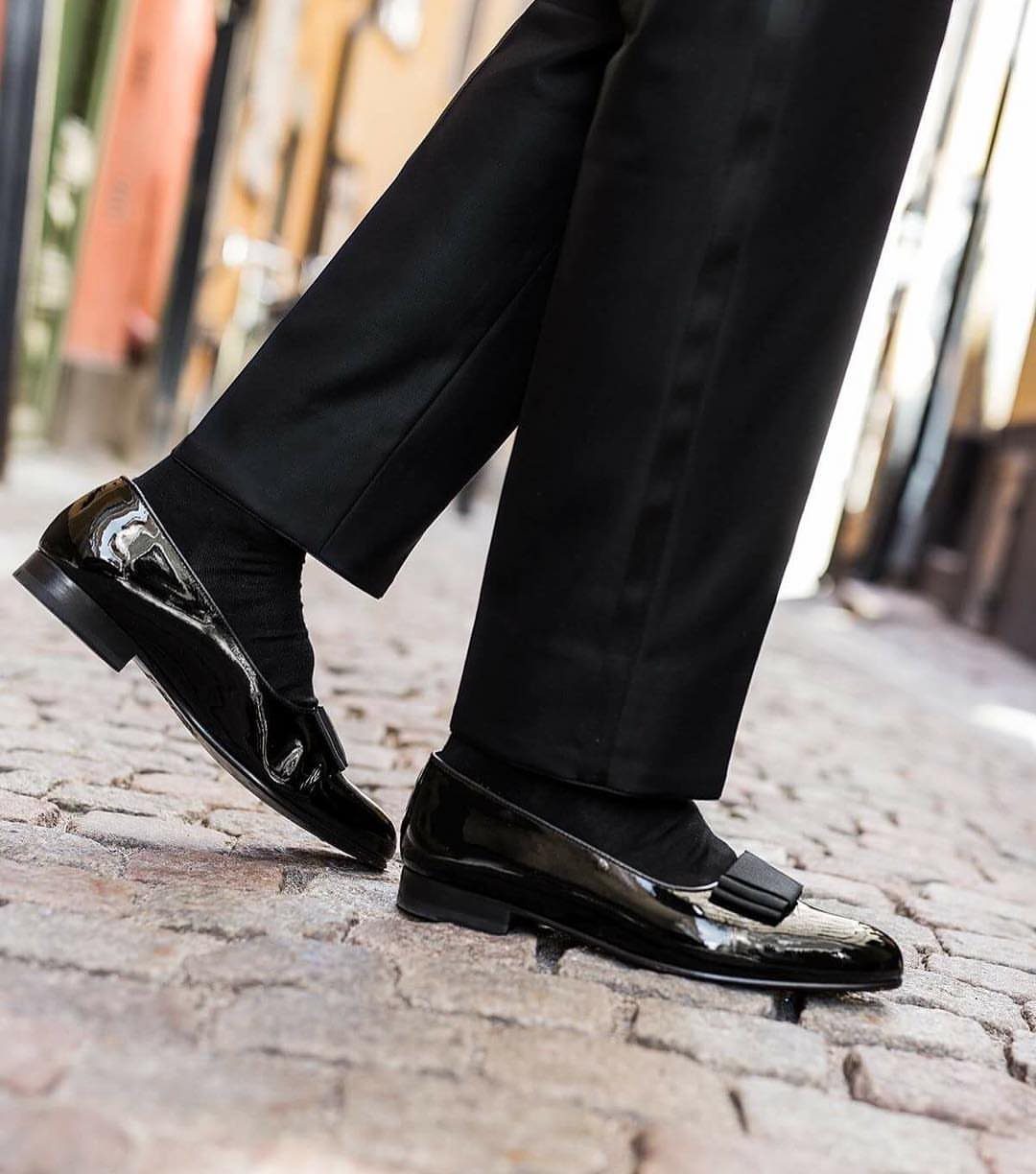
Black patent leather and a small bow place opera pumps firmly in evening dress, well away from daytime wardrobes. Black trousers and black socks keep the line unbroken from hem to toe.
This is a specialist buy. For a small wardrobe, a black Oxford covers more formal occasions, so I would add pumps second.
19. Wingtip Shoes
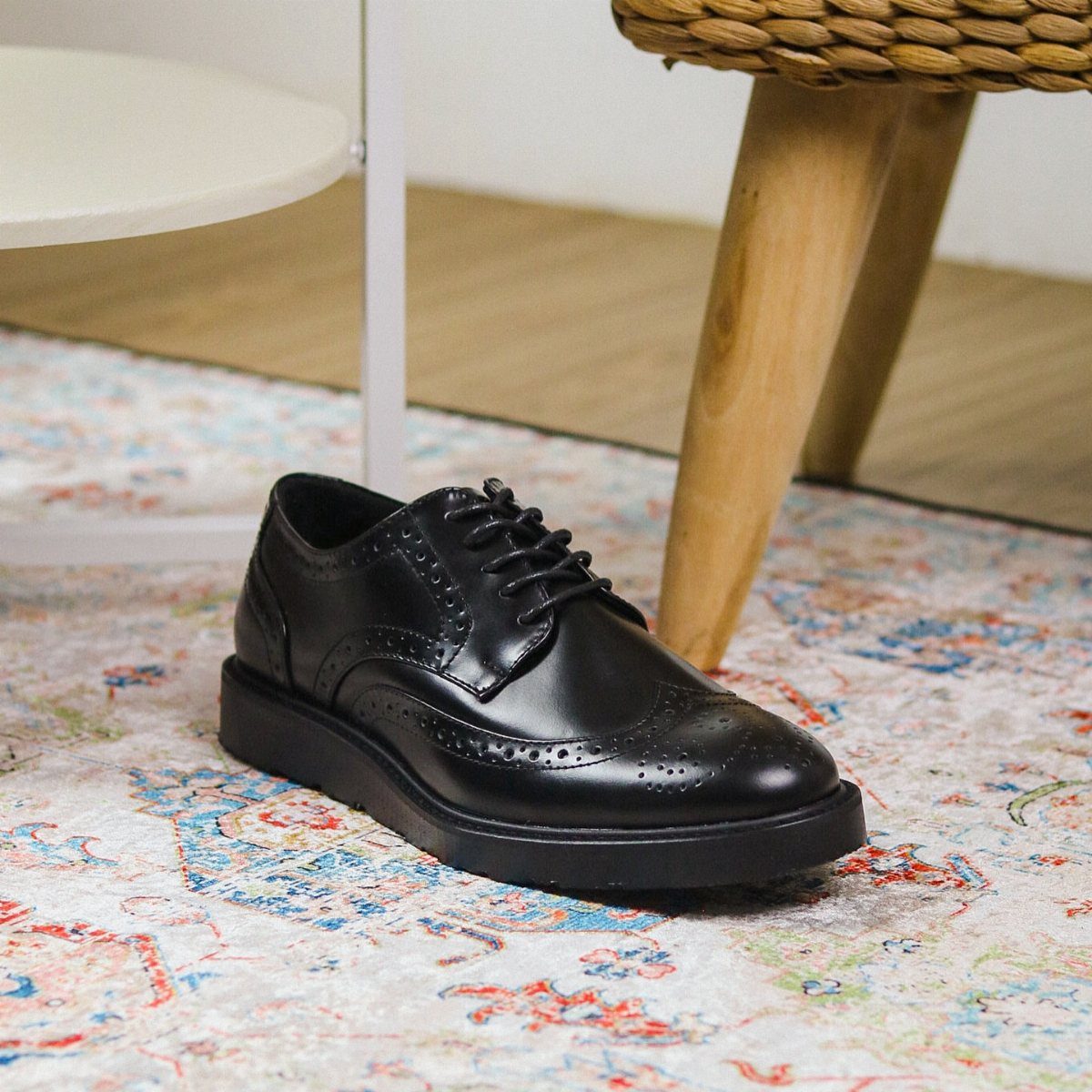
A W-shaped toe cap that runs across the front of the shoe is what makes a wingtip a wingtip, and full brogueing means the perforations follow its edges.
With a thick sole under it, as on this black pair, the shoe reads sturdier than a slim dress lace-up.
Black leather keeps it the most formal version, though the holes still make it busier than a plain Oxford. Dark trousers let the pattern stand out without a fight.
20. Work Boots
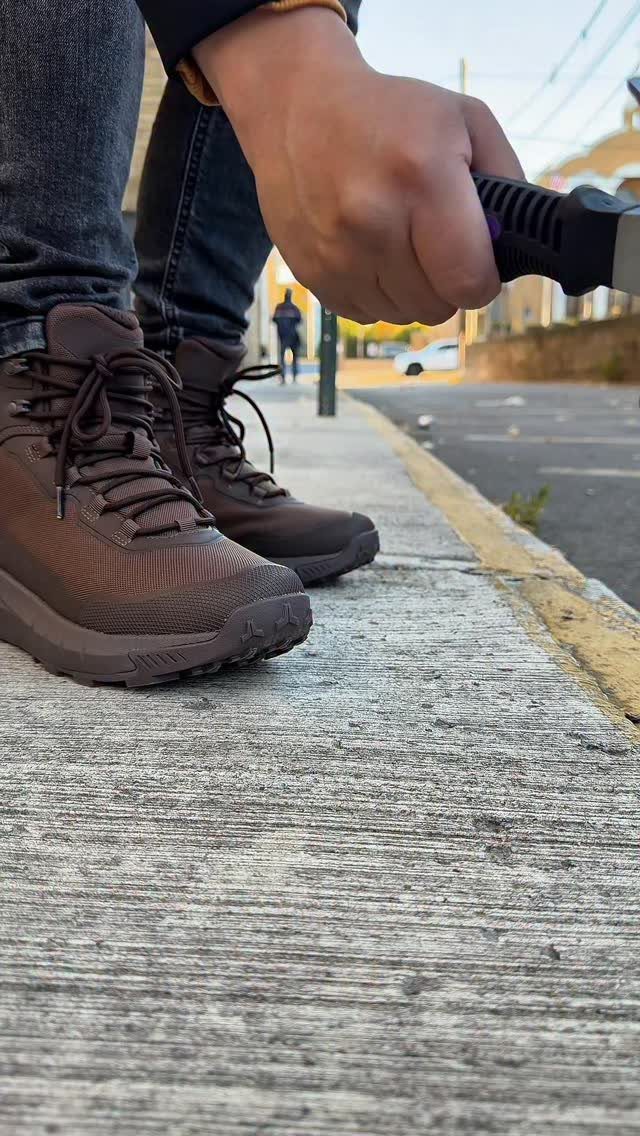
Built for difficult weather and rough terrain, work boots are the one pair on this list I choose for function before anything else.
Brown leather is the easiest color to live with in a work boot, and it sits well under dark denim.
Keep the rest of the outfit plain: a simple jacket or a solid tee is plenty. Leave them at home for tailoring, where the bulk looks out of place.
How to Judge Shoe Formality
3 things set how dressy a shoe reads: its shape and build, its material, and its color. Check a shoe against all three before deciding where it belongs.
Bulk, extra seams, and ornament pull it down the scale, and the more ornamentation a shoe carries, the more casual it reads.
Material and color move the needle too. As a rule of thumb, smooth polished leather dresses up and suede relaxes, while dark shades read formal and light ones read casual.
When two shoes tie on one factor, the other two break the tie. A quick test: if a shoe looks busy from across the room, treat it as casual.
Choosing Quality and Construction
Full-grain, hand-finished leather and suede hold up well and mold to your foot with wear, so a good pair fits better as it breaks in.
Goodyear-welt construction is worth paying for, because a welted shoe can be resoled and the upper keeps going. Buy fewer, better pairs, and stay with brown, black, and tan so each one works with most of your closet.
Skimp on a dress shoe and it shows right away; skimp on a white sneaker and it passes for about 6 months before it needs replacing.
5 days in an office calls for a brown derby and a Chelsea boot. Remote work calls for a second casual sneaker and a warm-weather shoe first.
Care and Shoe Rotation
Condition with a good shoe cream so the leather doesn’t crack, then finish with a horsehair brush for the polish.
Suede needs a dry brush and a protective spray, and it should stay out of heavy rain.
Cedar shoe trees belong in every pair you own. Rotate pairs so each one gets time to dry out and recover between wears.
Swap by season: boots come out in October, and sandals and espadrilles come out in April. Before storing a pair, condition the leather and put it in a dust bag with the cedar trees inside.
Frequently Asked Questions
What are the basic styles of men’s shoes?
Most men’s shoes fall into a few groups: lace-up dress shoes (Oxfords, derbies, brogues, wingtips), buckled monk straps, slip-ons like loafers and driving shoes, boots (dress, chukka, desert, work), and sneakers.
Formality runs from opera pumps at the top, through a black Oxford, down to canvas sneakers and boat shoes. Start with the group that fits your week, not the full range.
When should I wear a single monk strap versus a double?
A single strap reads quieter and a touch dressier; add a second buckle and the shoe becomes the first thing people notice.
The double reads bolder and more contemporary, while the single stays understated. I would skip both with a tuxedo.
Are derby shoes more casual than Oxfords?
Yes. A derby’s lace panel is stitched on top of the front of the shoe, so it opens wider and sits about one notch below an Oxford in formality.
That makes it a good fit for blazers, chinos and wool trousers, and a thick sole pushes it further toward casual.
Do the shoes you wear really affect how others see you?
Yes.
Style, color and condition signal professionalism, taste and self-respect, often before you say a word. A cheap dress shoe shows right away, which is why I put the budget there first.
Are boots ever stylish in formal menswear?
Yes, as long as the boot is sleek and well polished.
A Chelsea or dress boot in dark brown leather looks sharp and modern under tailored trousers, and the polish keeps it from reading as work gear. Pale trousers let a polished boot catch the light.
How do brogues and wingtips change the way a shoe looks?
The small punched holes on a brogue add texture, so the shoe has more going on than a plain toe while still looking classic.
Broguing is a decoration that can sit on Oxfords, derbies or boots, so check the shoe underneath. Count the perforations: wingtips carry the most and look the most casual, while quarter brogues carry the fewest and dress up best.