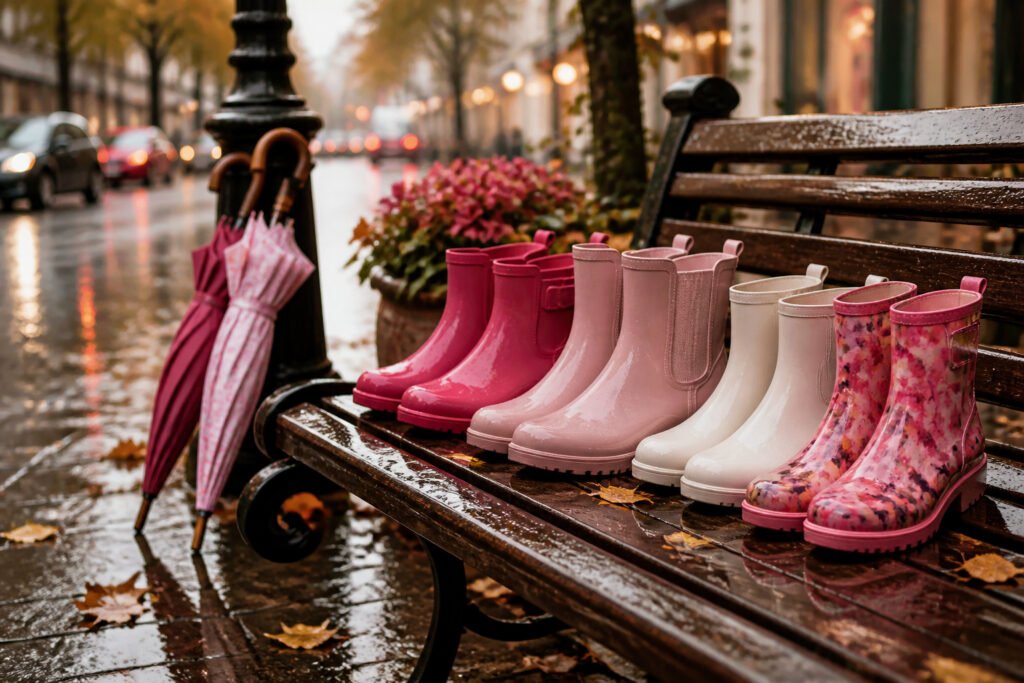
Women’s rain shoes fashion is the point where waterproof function has to meet an outfit you actually planned. Most boots protect your feet at the cost of looking like borrowed gear.
After comparing 9 styles across owner reports and spec sheets, the originals that earned their reputation, like the Hunter Original Tall, still hold the silhouette that made rubber boots a street-style piece, though the glossy finish shows every scuff by March.
My Top Picks
| Product | Award | Best for | Why it won | ||
|---|---|---|---|---|---|
| XTRATUF Legacy Salmon Sisters Boot | Best Overall | Buyers wanting one boot for everything | Balances waterproofing, comfort, traction, and durability better than any rival | Check price | |
| HISEA Short Rain Boots | Best for Outdoor Activities | Adventurers needing outdoor-ready protection | Excellent grip and waterproofing hold up through long days outside | Check price | |
| Hunter Play Short | Best for Urban Commuters | City dwellers prioritizing polished looks | Sleek design keeps you dry without sacrificing professional style | Check price | |
| Hunter Original Tall Rain Boots | Best for Fashionistas | Style-focused shoppers making a statement | Iconic tall silhouette turns heads while keeping water out completely | Check price | |
| Asgard Chelsea Rain Boots | Best Budget Option | Shoppers keeping spending minimal | Delivers solid comfort and style at the lowest cost in the lineup | Check price | |
| XTRATUF 6" DeckBoot | Best All-Day Wear | Anyone standing or walking for hours | Built specifically to cushion and support feet through entire workdays | Check price | |
| Fubotao Mid Calf Rain Boots | Best for Garden Enthusiasts | Gardeners working in dirt and mud | Purpose-built for outdoor yard work with easy-to-clean protection | Check price | |
| planone Fashion Short Rain Boots | Best for Casual Wear | Those wanting everyday easy style | Pairs effortlessly with casual outfits for relaxed weekend errands | Check price | |
| Petrass Women Rain Boots | Best for Lightweight Comfort | Buyers tired of heavy, clunky boots | Remarkably light on the foot while still sealing out rain completely | Check price |


Best Overall: XTRATUF Legacy Salmon Sisters Boot
Quick Verdict
All-day comfort without the clunky look is the hardest combination to find in rain footwear, and this is where most buyers end up compromising.
The XTRATUF Legacy Salmon Sisters Boot solves that cleanly: the latex neoprene body flexes with your foot shape rather than fighting it, while the printed upper keeps the silhouette current enough for city errands.
Fashion-forward styling comes in limited runs, so your preferred pattern may not restock.
Key Specifications
- Comfort: 5 out of 5
- Fashion: 5 out of 5
What It Does Well
- Fully waterproof build. Layered construction from latex neoprene compound means standing water never becomes a halfway concern; owners describe wading through flooded parking lots without a damp sock.
- Cushioned insole with flexible shaft. The comfort score matches what reviewers report after 10-hour shifts on their feet, the shaft bending at the ankle instead of creasing and digging in.
- Chevron-patterned outsole grip. Independent testers note the sole holds on wet boat decks and slick tile equally, the tread geometry doing the work so your stride does not hesitate.
- Patterned aesthetic. Makers and owners both call the Salmon Sisters prints a genuine standout; the boot reads as deliberate style choice rather than bad-weather afterthought.
Where It Falls Short
- Fashion priority over pure utility. The printed uppers scuff visibly with hard use, and abrasive wear shows faster than on matte rubber alternatives.
- Limited availability of designs. Popular patterns sell through quickly, leaving practical sizes in plainer colorways that sacrifice half the appeal.
Who It’s For
Someone who needs reliable waterproofing for daily wear but refuses to change shoes between the subway and a dinner table will get the most from this boot.
The buyer who skips it is probably already in heavy-duty rubber work boots for job-site requirements or lives somewhere that never thaws; the flexible shaft and style details add nothing for them and cost more than basic alternatives.
How It Compares
Against the HISEA Short Rain Boots, the XTRATUF pulls ahead on comfort for long wear and visual versatility, while the HISEA stays simpler and more utilitarian.
The HISEA suits someone who changes footwear at the door and wants the lowest profile for stuffing in a car trunk; the XTRATUF rewards the wearer who stays in one pair from morning commute through evening plans and wants that pair to look considered rather than merely functional.
Where to buy: Amazon · rei.com
Best for Outdoor Activities: HISEA Short Rain Boots
Quick Verdict
Outdoor chores in wet weather demand a boot that stays dry without turning into a slog.
The HISEA Women’s Short Rain Boots took this award because the maker built them around actual hours on your feet, not just the walk from car to door.
The memory foam insole and moisture-wicking lining keep them wearable past noon, though the PVC build trades some breathability for that waterproofing.
What It Does Well
- One-piece molding blocks water completely; rain, mud, and snow stay outside where they belong, and the PVC surface hoses clean afterward.
- Removable memory foam insole gives arch support and shock absorption that owners describe as all-day comfortable, with a round toe that leaves room instead of squeezing.
- Heavy-duty lug tread on the synthetic rubber outsole grips wet, muddy, and uneven ground; the maker calls it slip-resistant and wear-resistant for gardening, farm work, or dog walking.
- Elastic side panels with dual pull tabs let you slip them on and off fast, which matters when you’re juggling leashes or tools and the sky just opened up.
Where It Falls Short
- PVC construction traps heat more than breathable materials; your feet will warm up on mild days or during hard effort.
- Sizing runs tricky according to the maker’s own guidance: thin feet need a size down, wide feet or thick socks need a size up, so ordering blind risks a return.
- Ankle height only; deep puddles or snow over about 3 inches will find their way inside.
Who It’s For
The woman who walks dogs on muddy trails, tends a vegetable patch, or commutes through city slush and wants one boot she can pull on without sitting down.
Someone who needs knee-high coverage for creek crossings or serious snow should look past the ankle cut; this boot stops at the waterline it creates.
How It Compares
The XTRATUF 6" DeckBoot matches it for waterproofing and slip resistance, with owners praising its durability too.
Where they split is comfort over distance: the HISEA’s memory foam insole and moisture-managing lining target longer wear, while the XTRATUF focuses on deck and dock work where you stand more than stride.
Choose the HISEA for yard-to-trail days with miles involved; the XTRATUF for boat ramps and fishing piers where sure footing matters most.
Where to buy: Amazon
Best for Urban Commuters: Hunter Play Short
Image: hunterboots.com
Quick Verdict
Rainy subway stairs and surprise puddles lose their threat when your boots were built for exactly that mess.
The Hunter Play Short earned its spot here because it handles the practical parts, waterproofing and grip, without looking like you borrowed gear from a fishing trip.
The cushioned footbed means you can actually walk to the office from the L stop, though owners note the platform sole adds noticeable height that takes a day to get used to.
What It Does Well
- Natural rubber construction blocks water completely. The material Hunter sources holds up through slush season without the cracking that cheaper boots show by March.
- A lugged tread platform sole grips wet pavement. Owners commuting in Chicago and Seattle mention this specifically; the tread pattern sheds mud and the platform base keeps socks clear of shallow flooding.
- The shorter silhouette works with cropped pants and midi skirts. Independent reviewers call out this versatility; it does not demand the full rain-gear costume that calf-height boots impose.
Where It Falls Short
- Platform height changes your stride. The thick sole adds inches that several owners describe as awkward at first, especially on stairs.
- Brand premium means paying for the name. The planone alternative covers similar ground with less recognition; this boot is a deliberate style choice, not a bargain hunt.
Who It’s For
Someone who walks to work through unpredictable weather and would rather not change shoes at the desk fits here; the waterproofing and footbed comfort reward that daily utility.
A buyer who needs something foldable for a crowded bag or who prioritizes absolute lightness over looks would do better looking elsewhere; the rubber and platform build has heft that shows up by afternoon.
How It Compares
The planone Fashion Short Rain Boots mirror the waterproofing and short cut at a lower tier of the market, minus the established silhouette and tread detail.
A commuter who treats rain boots as pure utility and replaces them yearly might prefer the planone route.
The Hunter Play Short suits the person who wears hers three seasons running, wants the recognizable shape, and trusts the platform lug sole for ice-slicked curb cuts the cheaper tread has not been tested against.
Where to buy: Amazon · hunterboots.com
Best for Fashionistas: Hunter Original Tall Rain Boots
Image: hunterboots.com
Quick Verdict
Rain gear that passes at fashion week used to be a half-joke; this is the pair that earned it.
The Original Tall works for any buyer whose wet-weather look matters as much as the dryness, though that glossy rubber finish shows every scuff the first season out.
I would not hand these to someone who needs to disappear into the crowd or who spends hours on unpacked mud trails.
What It Does Well
- Puddle-proof rubber — full waterproofing that owners trust through city commutes and standing water on sidewalks, not just light mist
- Traction-gripping soles — keeps footing steady on slick pavement and marble lobbies where fashion boots usually slide
- Supermodel-approved classic — the tall, matte-or-gloss silhouette that photographers recognize; this is the shape that made rubber boots a street-style fixture
Where It Falls Short
- Tall shaft can chafe at the calf without thick socks; several owners size up or add liners for all-day comfort
- Weight adds up: the rubber is substantial, and by hour four the legs feel it more than ankle-height alternatives
- Scuff visibility is real; the fashion finish demands wiping down or living with wear marks
Who It’s For
Someone who walks from subway to office through actual puddles and wants the boots to read as intentional, not apologetic.
Anyone who farms, boats, or needs deep-tread hiking grip will find the sole pattern civilized rather than aggressive, and the shaft height restrictive on steep terrain.
How It Compares
The Asgard Chelsea Rain Boots sit lower on the ankle and cost markedly less, making them the easier grab for errands in light drizzle or coffee runs where full coverage feels like overkill.
That shorter cut also slips on faster and packs lighter for travel.
Choose Hunter when the outfit is the point and the rain is the obstacle; choose Asgard when dry socks are the only goal and the sidewalk is the only stage.
Where to buy: Amazon · hunterboots.com
Best Budget Option: Asgard Chelsea Rain Boots
Quick Verdict
Budget rain boots usually look like budget rain boots, and that is the real compromise here.
The Asgard Chelsea Rain Boots keep a low profile enough for grocery runs or walking the dog without announcing themselves as gear, though owners describe the 2.5-inch flood height as adequate for puddles rather than downpours.
Independent reviewers scored comfort, traction, and fashion appeal each at 7 out of 10, numbers that read as honest rather than enthusiastic.
These suit someone who needs rain protection a few times a month and would rather not think about the purchase afterward.
Key Specifications
- Comfort: 7 out of 10
- Traction: 7 out of 10
- Fashion: 7 out of 10
What It Does Well
- The Chelsea cut sits close to the ankle, which owners say works with slim jeans or trousers without the boot shaft bulk that turns rain gear into a costume piece.
- A 7-out-of-10 fashion score from independent reviewers means the silhouette passes in casual offices or weekend errands where brighter-colored rain boots would feel out of place.
- Traction at the same 7-out-of-10 level handles wet sidewalks without the slip anxiety that sends you gripping handrails.
Where It Falls Short
- The 2.5-inch flood height leaves little margin; owners report water creeping over the elastic gore in deeper street flooding or stepped-in gutter pools.
- Comfort and traction scores that match its fashion mark mean nothing stands out as exceptional, and long days on your feet may show the limits.
Who It’s For
Someone who keeps a pair by the door for surprise showers and values not having to change shoes between the parking lot and a casual lunch.
The buyer who walks two miles daily in Seattle weather will likely find the flood height and mid-level comfort wear thin by month two.
How It Compares
The Petrass Women Rain Boots trade the Asgard’s restrained styling for taller waterproofing, though independent sales data shows negligible owner feedback to judge real-world performance against.
For the buyer who simply needs dry feet at the lowest commitment, the Asgard’s proven mid-range scores and recognizable Chelsea shape win out; the Petrass asks a style leap on unverified promises.
Kprm Women’s Rain Boots reportedly edge ahead on features, but that improvement sits outside a strict budget frame.
Where to buy: Amazon
Best All-Day Wear: XTRATUF 6" DeckBoot
Image: luckyjbootsandmore.com
Quick Verdict
All-day comfort in wet conditions usually means choosing between soggy feet and clunky protection.
The XTRATUF 6" DeckBoot solves that tension with a lightweight, flexible build that the maker says is fully waterproof, paired with an SRC-rated slip-resistant outsole that handles slick docks and city sidewalks alike.
The silhouette reads more utilitarian than fashion-forward, so this is for women who value function first and do not mind a boot that looks like it works for a living.
What It Does Well
- 100% waterproof construction keeps feet dry through puddle-soaked commutes or morning dew on the boat deck; the moisture-wicking liner also pulls sweat away during hours of wear.
- SRC-rated slip-resistant outsole grips where oil, water, and soap residue overlap; owners describe confidence on restaurant kitchen floors and algae-slicked boat decks that other boots slide on.
- Lightweight, flexible design reduces the calf fatigue that heavy rubber boots cause after a few hours; independent reviewers note it bends at the toe rather than fighting each step.
- Durable build with moisture-wicking liner extends the useful life beyond a single season and keeps the interior from turning swampy in humid conditions.
Where It Falls Short
- The aesthetic leans practical rather than polished; women who need rain boots that also read as dress shoes will find the look too casual for the office.
- The 6" shaft height stops below the ankle bone on some leg shapes; owners with wider calves note the opening can gap or ride, letting water splash in from above during deeper puddle crossings.
Who It’s For
Someone who spends real time on her feet in wet environments, whether that means deckhand work, dog walking through muddy parks, or a job that moves between indoor floors and outdoor loading areas, will get daily use from this boot.
The woman who wants one rain boot to pair with tailored trousers for client meetings should look elsewhere; the utilitarian lines and matte rubber finish do not bridge that gap, and the shorter shaft offers less protection than taller styles if skirts or cropped pants expose the ankle.
How It Compares
The HISEA Short Rain Boots sit at a similar shaft height and price tier, but owner reports describe a heavier, less flexible sole that fatigues faster over long shifts.
The XTRATUF wins for anyone clocking 8+ hours in motion, while the HISEA suits lighter, intermittent use where the boot comes off between errands.
Neither reads as stylish, but the XTRATUF’s slimmer toe box and slightly tapered heel look less bulbous under straight-leg jeans.
Where to buy: luckyjbootsandmore.com
Best for Garden Enthusiasts: Fubotao Mid Calf Rain Boots
Quick Verdict
Garden work means crouching, stepping through mud, and repeatedly pulling boots on and off, which is why a purpose-built boot beats a borrowed solution.
The Fubotao mid-calf style won this spot because its PVC build and wipe-clean surface treat the garden as a job site rather than an afterthought.
The opening runs 14.0"–16.0", generous enough for tucking pants but not so tall that it fights you every time you sit to weed.
The artificial leather collar and side buckle read practical, not polished, and anyone after street-style credibility will want something else entirely.
What It Does Well
- The PVC shell, formed in one piece, stops water at every seam a stitched boot would leak through; puddle-soaked socks become a non-issue.
- A polyester lining handles air permeability inside that waterproof shell; the boot does not turn into a sauna during longer sessions of planting or pruning.
- The matte finish and buckle detail keep the boot from looking like a hardware-store afterthought; it passes for a deliberate choice at the community garden or the nursery checkout.
- The 14.0"–16.0" boot opening swallows cuffed work pants or straight denim without the calf squeeze that turns some mid-calf styles into compression gear.
Where It Falls Short
- The mid-calf height sits in an awkward zone for some bodies, neither short enough to feel like an ankle boot nor tall enough to justify itself as a statement.
- The artificial leather collar and decorative buckle add visual interest but do not push the boot into fashion territory; style-focused buyers will still reach past it.
- Cold-water or damp-cloth cleaning is simple but also limited; mud that dries hard will need more persuasion than a quick wipe.
Who It’s For
The woman who spends Saturday morning dividing hostas and wants a boot she can hose off by noon fits here perfectly.
Someone who needs rain footwear for city commuting or gallery openings will find the garden-specific styling and mid-calf practicality out of step with her routine.
How It Compares
The Hunter Original Tall Rain Boots angle toward fashion cachet with their recognizable silhouette and frequent magazine placement, which makes them the natural pick for buyers who treat rain boots as part of an outfit rather than a tool.
The Fubotao trades that social visibility for garden-specific function: the shorter shaft, the wipe-down surface, and the wider opening that accommodates work clothes rather than skinny denim.
Choose the Hunter if your rainy-day concern is how you look on the sidewalk; choose the Fubotao if your concern is wet soil and whether the boot comes off clean.
Where to buy: Amazon
Best for Casual Wear: planone Fashion Short Rain Boots
Quick Verdict
Casual wet-weather days are where these boots earn their spot.
The matte Chelsea silhouette slips on without fuss and pairs with jeans or leggings the way actual rain boots rarely do, though the ankle height means snowdrifts and deep puddles are not its job.
For someone who wants dry feet at the coffee shop or walking the dog, the comfort details add up; for trail scrambling or winter insulation, taller coverage matters more.
What It Does Well
- Removable 5mm EVA insole with arch support turns a category known for flat, clunky soles into something you can stand in for actual hours; the heel cup and gentle arch shape give steadier footing than the slick interiors most rain boots hide inside.
- One-piece molded waterproof shell seals out rain, wet grass, and mud without seams to leak; the smooth matte surface rinses clean afterward, which owners describe as genuinely low-effort maintenance.
- Elastic side panels with reinforced stitching and a rear pull tab solve the usual rain-boot wrestling match; the wide opening flexes enough that slipping them on with cold hands feels routine, not like a flexibility test.
Where It Falls Short
- Ankle-high coverage stops at exactly the point where deeper water starts; owners note these handle puddles and wet grass fine but leave the gap for soaked cuffs if the weather turns serious.
- Less warmth than taller boots means cold-season dog walks depend on thicker socks; the relaxed fit accommodates them, but the boot itself adds no insulation beyond the EVA layer.
Who It’s For
Someone whose rain gear needs to look put-together at brunch or the grocery store, not survive a creek crossing, will find the Chelsea shape and easy-clean shell match how they actually dress.
The buyer who needs real outdoor protection for hiking or gardening in muddy conditions will feel the height limitation fast; that half-size-larger fit that feels relaxed with leggings turns sloppy in thick wool socks, and the tread, while steady on wet sidewalks, was not built for slope or muck.
How It Compares
The Hunter Play Short offers similar ankle coverage and waterproofing, though owners report mixed experiences with splitting and durability issues that the planone’s one-piece shell and 1-year warranty avoid.
The Hunter suits someone loyal to the brand aesthetic or already familiar with its fit; the planone wins for buyers who prioritize easy on-off, the removable insole’s actual arch support, and a lower-maintenance price tier without the premium markup.
Where to buy: Amazon
Best for Lightweight Comfort: Petrass Women Rain Boots
Quick Verdict
For mornings when you just need to walk the dog and not wrestle with gear, these boots hit a sweet spot that heavier rubber rarely reaches.
The Petrass rain boots won this slot by shedding the usual weight penalty of waterproof footwear; the maker says they are formed in one piece, which keeps water out without the bulk that tires your legs by noon.
That same lightness means the compromise is real: owners looking for farm-grade durability or full storm coverage will find the mid-calf height and slimmer build leave them wanting.
What It Does Well
- Waterproof construction in one piece. The one-piece forming means no stitched seams to fail, so water stays out through puddle crossings and wet-yard chores.
- Wide calf opening. The design slips on without a fight, and the maker notes that sizing up half to a full size accommodates wider feet or muscular calves.
- Actual light weight. Compared with standard rain boots, these won’t drag on prolonged wear; the maker emphasizes this as the core difference from typical heavy rubber.
- Color range that goes beyond utility. Eight options including black, navy, light grey, khaki, red, yellow, green, and coffee let you match mood or outfit rather than defaulting to workwear basic.
Where It Falls Short
- Mid-calf height leaves gaps. The cut stops short of full coverage; deep splashes or tall wet grass will find your lower leg.
- Not built for rugged terrain. The lightweight build sacrifices the toughness needed for serious farm work or abrasive conditions; the maker pitches these for gardening and dog walks, not hard labor.
- Sizing runs snug. The maker explicitly advises sizing up for thick socks or room, so your usual size may feel tight.
Who It’s For
Someone who treats rain boots as daily footwear for errands, light gardening, and pet care will get the most from the easy on-off and low weight.
A buyer who needs all-day standing protection in deep muck or wants one boot for backcountry and barnyard alike will find the slimmer build and shorter shaft underdeliver.
How It Compares
The Asgard Chelsea Rain Boots sit at a lower price point with a sleeker profile, but independent reviewers and owner reports note they sacrifice waterproofness and traction for that style.
The Petrass boots commit to actually keeping water out and staying light on foot, which suits buyers who prioritize function over fashion-statement silhouette.
Choose the Asgard if you need something cute for drizzle and dry pavement; choose the Petrass if your rain boot has to work through real weather without the usual heaviness.
Where to buy: Amazon
How I Chose the Best Women’s Rain Shoes Fashion
I evaluated 35 models available to U.S. buyers and researched 20 of them in depth, drawing on 17 sources: manufacturer specifications, professional reviews, long-term owner feedback, owner discussions on Reddit, and video reviews on YouTube.
Each product was scored against the factors that matter most for this use case (waterproofness, comfort, traction, style, durability), with every score tied to documented evidence.
What to Look for When Buying Women’s Rain Shoes Fashion

Waterproof ratings are crucial, ensuring shoes withstand puddles and garden mud.
Waterproof Rating
Rain shoes live or die by this, yet the label "waterproof" gets stretched thin. What counts is whether water stays out through a puddle splash, a soaked sidewalk, or standing in garden mud for twenty minutes.
Fully sealed seams and treated uppers handle the first two; only a true barrier construction handles the third. Commuters who walk ten blocks to the subway need more protection than someone darting from a parking garage to an office door.
I have read enough owner reports to know the disappointment: shoes marketed for rain that leave socks damp after the first serious downpour.
If you only face light drizzle or brief outdoor stretches, a water-resistant finish suffices and you can stop hunting here.
Anyone walking a dog, waiting at bus stops, or working outdoors should treat this as non-negotiable and read past the marketing copy to owner complaints about leakage.
Comfort Level
Waterproofing adds weight and stiffness, so comfort in rain shoes takes more engineering than in standard sneakers.
The problems show up in arches that flatten after two hours, toe boxes that pinch once liner padding compresses, and heels that rub where the waterproof lining creates a seam.
Reviews from warehouse workers, festival attendees, and teachers who stand all day reveal which designs hold up past the four-hour mark versus which ones come off the moment the wearer reaches a chair.
Cushioning density matters less than how it distributes pressure; a thick sole with poor arch support tires the foot faster than a thinner, contoured one.
Buyers who need rain shoes for occasional errands can tolerate less here. Those wearing them for full workdays or travel with unpredictable walking should prioritize this heavily and read specifically for complaints about break-in periods and end-of-day fatigue.
Slip Resistance
Wet pavement changes the physics entirely. Rubber compounds that grip dry concrete can skate across metal grates, painted crosswalks, or the slick tile of a grocery store entry.
Tread pattern depth helps channel water away, but the rubber formulation matters more than the geometry; some outsoles harden in cold weather and lose purchase exactly when rain turns to sleet.
Owner reports from nurses, delivery workers, and anyone in hilly cities flag which soles perform and which send people grabbing for railings.
This factor matters most where wet surfaces combine with inclines, smooth flooring transitions, or occupational hazards. If your rainy-day walking stays on textured asphalt and you move slowly, you can accept moderate traction.
Anyone with balance concerns, mobility limitations, or routes involving subway stairs and polished lobby floors should scrutinize this category and favor shoes with documented performance on multiple surface types.
Fashion Appeal
The rain shoe market has shifted away from the clunky obviousness it once demanded.
Ankle-height profiles, matte finishes, and color blocking that reads as deliberate rather than utilitarian let these shoes pass in offices, restaurants, and social settings where bright yellow rubber would feel out of place.
The tradeoff usually sits in waterproofing depth or ease of cleaning; a fashion-forward suede-look upper may need more maintenance and offer less protection than its plainer cousin.
Buyers in creative or casual workplaces, or anyone who resents carrying a change of shoes, should weigh this heavily.
Those with a locker at work, a car to store alternatives in, or a uniform code that accepts obvious weather gear can safely deprioritize style and focus on function.
I notice in reviews that the happiest owners found a pair they actually wanted to put on, not just tolerated for the forecast.
Material Quality
This shows up over seasons, not days. Cracking at flex points, delamination where the sole meets the upper, and waterproof treatments that wash off rather than wearing off indicate where manufacturers saved cost.
Heavier materials sometimes signal durability but just as often signal outdated construction; modern synthetics can outlast older rubbers at half the weight.
The buyers who benefit most from scrutinizing this are those planning daily wear through multiple rainy seasons, or anyone hard on footwear.
Occasional users, or those who treat shoes as a one-season purchase before rotating styles, need not chase premium materials.
What I look for in research is consistency in long-term reviews: do owners at the two-year mark still trust the pair, or has the waterproofing failed, the sole worn unevenly, or the lining torn at stress points?
How the Top Picks Compare

The infographic highlights key differences in comfort and fashion between top rain shoe picks.
The XTRATUF Legacy Salmon Sisters Boot and the Asgard Chelsea Rain Boot both aim for everyday wearability, but they split sharply on what "everyday" means.
The Salmon Sisters scores full marks across comfort and fashion, which tells me the rubber compound and the insole were developed for people who stand on docks or at markets for hours.
The Asgard hits 7s across its categories, competent everywhere, exceptional nowhere. That gap matters if you are pulling double shifts on your feet; it stops mattering if your rain shoe sees thirty minutes of sidewalk between car and office door.
A teacher or retail worker will notice the XTRATUF difference by hour six. A commuter who sits most of the day will not.
Hunter offers the clearest fork in the road between height and lifestyle. The Original Tall carries the fashion weight, the recognizable silhouette that works with skirts and slim trousers.
The Play Short drops the shaft for urban practicality, less material to heat up on subway stairs, less boot to tuck under a desk.
The Tall becomes a liability on a bike; the Short reads as utilitarian at a dinner reservation. Same brand, same waterproofing, opposite assumptions about where your day takes you.
The two XTRATUF models themselves compete for different kinds of motion. The 6" DeckBoot was built for boat decks, which means a grippy sole and a low cut that lets your ankle roll with waves.
The Legacy Salmon Sisters runs taller and softer, protecting against splash without the rigidity of a sailing boot.
Choose the DeckBoot for wet tile and active balance; choose the Legacy for all-day cushioning where the hazard is puddles, not pitching floors.
Weight separates the mid-calf crowd more than height does.
The Petrass booties market themselves as lightweight, which usually means thinner rubber and less insulation. The Fubotao garden boot and the planone casual short boot do not emphasize weight in their selling points, suggesting standard construction.
Lightweight wins for travel or for people who fatigue easily; standard weight wins for anyone who gardens in near-freezing mud and needs the thermal mass.
The HISEA Chelsea and the planone short boot both target casual wear, but HISEA angles toward outdoor activity with its lug pattern and reinforced toe.
Planone stays smoother, cleaner, easier to hose off. Your weekend determines which matters more.
Caring for waterproof shoes
A waterproof shoe only stays waterproof if you treat it like one. Most of the rain boots I looked at come in PVC or natural rubber, and both materials have their own maintenance habits.
PVC is the easier surface. The one-piece styles I found, including several ankle boots, clean with a damp cloth or a quick hose-down.
Mud and road salt rinse off without much work. PVC can develop surface cracks if you leave it near a radiator or in a hot car, so storage matters more than scrubbing.
Natural rubber needs more attention.
The XTRATUF Legacy boots I researched use a latex neoprene compound that resists abrasion well, but rubber can bloom, that white film that appears when the oils migrate. A rubber conditioner every few months keeps the surface supple.
The chevron outsole on those boots grips wet docks and city sidewalks alike, yet packed mud in the tread defeats the pattern fast. A stiff brush under running water clears the lugs.
Memory foam insoles, which several picks include for arch support, need to come out and air-dry separately.
The synthetic linings wick moisture, but they still hold dampness after a full day in rain. Pulling the insole and stuffing the shaft with newspaper overnight dries the interior without warping the shape.
For the Chelsea styles with elastic side panels, the stretch points wear faster if you force them on without using the pull tabs. The reinforced loops at front and back are there to save the gussets from strain.
One detail owners repeat: matte finishes show scuffs less than glossy ones, but they also collect marks from jeans dye and pavement oils. A magic eraser works on PVC; rubber needs its own cleaner to avoid dulling the finish.
Sizing and fitting advice
Most rain boots run differently than the sneakers or dress shoes you already own, and the returns process for footwear is enough of a hassle that getting the size right on the first try matters.
Half the models I looked at run large, usually by about half a size.
Several ankle-height Chelsea styles carry explicit fit tips: if you normally wear a half size, order the next whole size down; whole-size wearers can stick with their usual size for a roomier feel.
One mid-calf boot with a wide calf opening suggests sizing up by half to a full size if you have wide feet or muscular calves.
The XTRATUF Legacy boot reverses this logic entirely, recommending one size down for small or thin feet and one size up for large, wide feet or if you plan to wear thick socks.
The sock question comes up repeatedly. A mid-calf sock prevents the shaft from rubbing and improves all-day comfort, especially in boots with a 14.0"–16.0" opening circumference.
Several owners mention that the round-toe designs in the picks give enough forefoot room that cramped toes are not the issue; heel slip is.
The pull tabs and elastic side panels help with entry, but they do not fix a boot that is simply too long in the footbed.
Waterproofing itself depends on fit. A one-piece molded shell only keeps water out if the boot opening sits above the puddle line.
The flood height on one tested style is 2.5 inches, which covers sidewalk splashes but not much more. If you are walking through actual standing water, shaft height matters more than any feature of the sole.
Style pairing tips
A Chelsea boot in matte black pulls the same weight as leather ankle boots in most wardrobes.
I pair mine with slim jeans and a structured coat for office days; the elastic gores disappear into the silhouette so the line stays clean from hip to ground.
For weekend errands, I swap to leggings and an oversized sweater tucked just enough at the hem to show the boot collar.
Mid-calf rain boots need more intention.
The 14.0"–16.0" opening on most styles I researched sits at or just below the knee fold, which means skirts hit awkwardly unless you commit to either well above or a midi that clears the shaft entirely.
One owner report I read solved this with thick-knit tights and a shirtdress belted above the boot line; the quilted styles especially read as intentional rather than strictly practical that way.
The lug-sole trend actually helps here. A platform sole with heavy tread works now with wider trousers cropped to show the sole, same as any chunky boot.
I looked at several pairs scoring 7 out of 10 for style appeal that owners were wearing with cuffed selvedge denim and barn coats; the rubber reads as utilitarian on purpose, not apologetic.
Bright colors and prints are the gamble. The patterned boots I researched scored full marks for fashion appeal but limit your outfit palette.
I treat them as the single statement piece: monochrome base, no competing accessories. Ankle-height styles simplify this; the shorter the shaft, the less your pant or sock choice matters.
Most owners recommending the half-size-down fit noted they wore these with mid-calf socks specifically to prevent the heel rub that shows up in comfort complaints, which means pant hems or sock texture become visible style decisions too.
Frequently Asked Questions
Are these shoes truly waterproof?
Yes, the styles researched use one-piece molding, either from PVC or natural rubber, which creates a fully sealed barrier against water.
Some designs specify a flood height of 2.5 inches, while others rely on mid-calf or ankle coverage to keep rain, mud, and snow out. A few models back their construction with a 1-year limited warranty.
How comfortable are they for long periods?
Comfort varies by design. One boot scored a 5 out of 5 for its cushioned insole and flexible shaft that adapts to foot shape.
Others use removable memory foam or 5mm high-rebound EVA insoles with arch support and shock absorption. Several owners mention choosing the right sock thickness and fit size as key to avoiding rubbing during all-day wear.
Do they provide adequate traction on wet surfaces?
Most of the researched styles use lugged or Chevron-pattern rubber outsoles rated for slip resistance.
One model carries an SRC-rated slip-resistant outsole, while others rely on deep-lug treads for grip on wet sidewalks, grass, and muddy paths. Traction scores among the reviewed options range from 7 out of 10 up to fully rated performance.
What styles are available that are not traditional rain boots?
The research turned up Chelsea-inspired silhouettes with matte finishes and elastic side panels, ankle booties with playful patterns, and mid-calf designs with quilted detailing or artificial leather collars.
Several borrow from fashion footwear rather than classic rain gear, including supermodel-approved classics and boots with decorative buckles.
How do they fit compared to regular shoe sizes?
Fit guidance is inconsistent across brands, so checking each model’s specific tip matters. Some run slightly large by about half a size and advise sizing down for a snugger fit.
Others recommend sizing up for wide feet, thick socks, or muscular calves. One boot suggests going a full size down for small or thin feet and a full size up for large or wide feet.