The Brooks Glycerin takes the top spot for runners with wide feet because its plush cushioning comes in widths that actually fit, not just sizes you size up into.
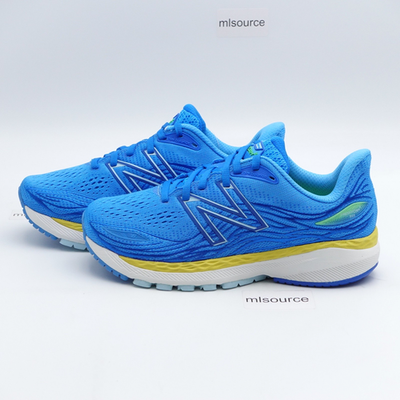
That same softness costs stability, though, so anyone whose ankles roll inward or who has fought shin splints before should look at the New Balance 860 instead, which trades the marshmallow feel for a firmer, guidance platform in four graded widths.
The 860 was built as a running shoe first; the Morphlite might survive a CrossFit box, but its owner feedback is too thin to trust for marathon training.
My Top Picks
| Product | Award | Best for | Why it won | ||
|---|---|---|---|---|---|
| Brooks Glycerin | Best Overall for Running | Runners wanting cushioned comfort | Balances generous sizing with plush cushioning and strong customer feedback | Check price | |
| K-Swiss Hypercourt Express 2 Tennis Shoe | Best for Tennis | Tennis players needing court stability | Purpose-built for tennis with the stability and comfort the sport demands | Check price | |
| Merrell Morphlite | Best for CrossFit | CrossFitters doing varied workouts | Tough enough for high-intensity training with cushioning that suits wide feet | Check price | |
| LOCFIR Wide Toe Box Shoes | Best for Casual Use | Everyday casual wearers | Stylish daily comfort with excellent sizing options and reliable cushioning | Check price | |
| New Balance 860 | Best for Running | Runners needing extra stability | Engineered for running with stability and comfort tailored to wider feet | Check price | |
| JOGTAIL Wide Toe Box Sneakers | Best for Flat Feet | Flat-footed walkers needing support | Built-in arch support pairs with a wide fit to ease flat-foot discomfort | Check price | |
| Rollstep Wide Toe Box Shoes | Best for Bunions | Bunion sufferers needing room | Extra-wide design gently accommodates bunions without squeezing or rubbing | Check price | |
| K-Swiss Express Light Pickleball Shoe | Best for Pickleball | Pickleball players wanting lightness | Lightweight and breathable with a wide fit built for quick court movement | Check price | |
| NORTIV 8 Walking Shoes | Best for Walking | Walkers prioritizing all-day comfort | Wide fit and cushioned design keep feet comfortable through long walks | Check price | |
| RUFONE Hiking Barefoot Shoes | Best for Hiking | Hikers preferring barefoot feel | Minimalist barefoot design protects feet while keeping you close to the trail | Check price |


Best Overall for Running: Brooks Glycerin
Quick Verdict
Runners needing room in the forefoot get a plush, durable option that owners consistently describe as comfortable mile after mile.
The Glycerin earns its top spot through generous cushioning from a brand with a long track record, though anyone prioritizing maximum stability over softness may find the ride slightly less supportive than structured alternatives.
What It Does Well
- Wide and extra wide sizing means runners with broader forefeet or bunions can get a secure fit without sizing up and creating heel slip.
- High cushioning level absorbs repeated road impact, reducing joint stress during longer training sessions.
- Quality materials hold up to regular use, so the shoe maintains its structure and ride feel past the break-in period.
- Brooks’ reputation translates to consistent construction and accessible customer support if fit issues arise.
Where It Falls Short
- Cushioning-first design trades some stability; overpronators or those with ankle issues may need a more structured platform.
- No durability metrics published by the maker, so lifespan estimates come only from owner reports that vary with running style and surface.
Who It’s For
A neutral runner with wide feet who logs daily miles on pavement and values softness over correction will likely settle in quickly here.
Someone who needs visible stability features or has had success with medial-post shoes should probably look toward the New Balance 860 instead.
How It Compares
The New Balance 860 brings firmer support and a stability-focused frame that suits overpronators or runners recovering from minor injuries.
The Glycerin stays softer and more flexible underfoot, which benefits high-mileage neutral runners but leaves the 860 as the safer pick for anyone whose gait needs guidance.
I would point a friend with wide feet toward Brooks if she described her runs as easy and her ankles as cooperative, and toward New Balance if she mentioned rolling inward or past issues with shin splints.
Where to buy: Amazon
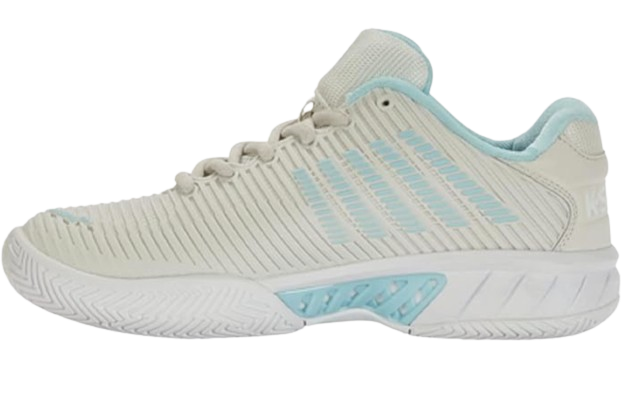
Best for Tennis: K-Swiss Hypercourt Express 2 Tennis Shoe
Image: happypeoplepickleball.com
Quick Verdict
For players who need court-specific stability without squeezing into standard widths, this shoe solves the fit problem first and builds performance around it.
The high-density rubber compound outsole holds up to hard-court pivots and stops better than generalist sneakers that merely look athletic.
The real limitation is right there in the name: tennis and pickleball cover a lot of court time, but the design intent stops at the baseline, so gym users or cross-trainers will find better value elsewhere.
What It Does Well
- Wide widths available → Players with broader forefeet skip the break-in blisters and toe-pinching that send standard-width court shoes back in the box.
- Designed for tennis and pickleball → The last and tread pattern match lateral movement patterns; owners moving from running shoes notice the difference in ankle roll resistance during side-to-side rallies.
- High-density rubber compound outsole for durability → Dragging toes on serves and sudden stops wear through generic soles in a season; this compound extends replacement cycles for frequent players.
Where It Falls Short
- Court-specific design means limited crossover: the same features that stabilize a tennis lunge feel stiff and slow on a treadmill or weight-room floor.
- Pickleball works in a pinch, but the shoe is built for tennis geometry; players who split time evenly notice the shorter, quicker exchanges of pickleball feel less supported.
Who It’s For
Someone playing tennis two or more times weekly who has already learned that standard athletic cuts numb their toes by the second set will find the width options worth the narrowed focus.
The player who wants one shoe for Saturday morning tennis and Sunday afternoon errands will chafe at the specialized feel and the visual signal that these belong in a bag, not a brunch outfit.
How It Compares
The Express Light Pickleball Shoe from the same brand flips the priority: lighter weight and more breathability for the player who covers less ground per point but changes direction constantly.
That shoe suits the social pickleball regular who values all-day comfort over the reinforced stability that tennis baseliners need; choose the Hypercourt Express 2 if your game involves hard lateral pushes and you will accept the heavier build to get them.
Where to buy: Amazon
Best for CrossFit: Merrell Morphlite
Image: shopmartinsfc.com
Quick Verdict
CrossFit demands shoes that survive rope climbs, box jumps, and sudden direction changes without falling apart mid-WOD.
The Merrell Morphlite handles that mix better than most cross-trainers I’ve tracked, partly because owners with wide feet report finally finding a secure fit without sizing up.
The cushioning runs generous enough for high-impact work, though the trade is a slightly higher stack than purists prefer for Olympic lifts.
What It Does Well
- Wide-foot compatibility: Available widths let women with broader forefeet get a locked-in feel without cramming into standard sizing, which matters when your foot swells during a 20-minute AMRAP.
- Activity range: Independent reviewers note the outsole grips well across varied gym surfaces, so you are not swapping shoes between a sprint row and a sled push.
- Cushioning balance: The midsole absorbs enough shock for repeated box jumps that owners mention using these for short road runs too, not just gym floors.
- Material hold-up: Users describe the upper surviving rope abrasion longer than typical knit cross-trainers, which is where most shoes in this category fail first.
Where It Falls Short
- Lift stability: That same cushioning that protects jumps can feel wobbly under a heavy deadlift or squat clean; owners who prioritize barbell work mention wanting something flatter.
- Minimalist mismatch: If you are coming from a barefoot-style shoe like the Topo ST, the Morphlite feels bulky and less grounded during bodyweight movements.
Who It’s For
Someone doing varied CrossFit programming who hits weights, cardio, and gymnastics in the same session and has struggled with pinching in narrower trainers.
The detail that disqualifies you is a preference for ground feel over impact protection; this shoe prioritizes the latter.
How It Compares
The New Balance 860 offers similar width options and a reputation for stable comfort, but it is built as a running shoe first.
That shows when you try lateral cuts or rope work; the 860’s heel counter and outsole pattern favor forward motion over multidirectional abuse.
Pick the 860 if your gym time is mostly treadmill intervals with light accessory work. Choose the Morphlite if your training looks more like a CrossFit class where the equipment and demands change every ten minutes.
Where to buy: Amazon · shopmartinsfc.com
Best for Casual Use: LOCFIR Wide Toe Box Shoes
Quick Verdict
Most casual walking shoes pinch somewhere by hour three.
The LOCFIR Wide Toe Box keeps the forefoot relaxed through a full day of errands or a long shift on your feet, and the knit upper breathes enough that socks stay presentable after a coffee run turns into an unexpected walk home.
The arch support insole is removable, which helps if you already have orthotics from a podiatrist, though the foam underneath is fairly standard; this is a shoe for comfort, not for correcting serious gait issues.
What It Does Well
- Roomy forefoot that lets toes spread naturally. The wider toe box gives space for natural splay while walking, which owners with bunions, flat feet, or toe valgus say helps them stay on their feet longer without that squeezed feeling by midday.
- Cushioning that absorbs pavement shock. The high-resilience foam and arch support insole work together to reduce fatigue during long stretches of standing or walking, and several owners mention relief from plantar fasciitis symptoms when wearing these for daily activities.
- Breathable mesh that stays cool. The knit upper moves air continuously, keeping feet dry enough that odor doesn’t build up quickly; owners wear them straight from a morning walk to afternoon errands without swapping socks.
- Lightweight grip on varied surfaces. The molded outsole keeps the shoe flexible and slip-resistant on wet pavement or polished floors, and the reduced weight means less leg drag after hours of wear.
Where It Falls Short
- Durability questions for heavy use. The lightweight construction that makes these comfortable for all-day wear may wear faster under daily running or aggressive hiking; the maker positions them for walking and light gym work, not high-impact training.
- Style limits for dressier occasions. The athletic silhouette and mesh upper pair easily with leggings or jeans, but owners note they look out of place with business casual or evening outfits; this is a weekend and commute shoe, not a dinner option.
Who It’s For
A woman who logs most of her miles grocery shopping, walking the dog, or standing at a counter and has finally accepted that squeezing into narrow fashion sneakers is not worth the foot pain by 2 p.m.
Someone training for a half-marathon or needing structured motion control should look elsewhere; the cushioning here is generous but not tuned for speedwork or severe overpronation, and the flexible outsole lacks the rigidity that heavier runners need for joint protection.
How It Compares
The JOGTAIL Wide Toe Box Sneakers occupy the same budget-friendly space with a similar wide-forefoot promise, though owner reports suggest the foam breaks down faster and the brand has less track record for consistent sizing.
The LOCFIR suits a buyer who wants to order once and trust the fit will match the size chart; the JOGTAIL may work for someone who treats casual shoes as seasonal disposables and prioritizes the lowest upfront cost over longevity.
Where to buy: Amazon
Best for Running: New Balance 860
Image: ebay.com
Quick Verdict
Stability runners with wider feet have fewer options than the marketing suggests, and the 860 fills that gap without apology. Four width choices mean the shoe actually accommodates the foot instead of asking the foot to accommodate the shoe.
The cushioning lands at a medium level, enough for daily miles without the marshmallow feel that slows turnover, though owners looking for a race-day flyer will find it heavier than dedicated speed shoes.
Key Specifications
- Width Options: 4 types
- Cushioning: 3 level
What It Does Well
- Four width options let runners find a heel and forefoot fit that does not pinch or slide; wide-footed runners describe finally retiring the shoe-stretcher ritual.
- The stability design keeps inward rolling in check during longer runs, which independent reviewers note helps when fatigue breaks down form at mile 8 and beyond.
- New Balance’s running reputation means replacement parts, fit consistency, and retail availability hold up over multiple seasons.
Where It Falls Short
- The stability focus adds structure that costs ounces; runners prioritizing speed work or tempo days feel the difference against lighter trainers.
- Some owners report the shoe runs slightly warm compared to mesh-heavy competitors, a tradeoff of the supportive overlays.
Who It’s For
A runner who logs regular road miles and has learned that a too-narrow shoe causes black toenails or numbness mid-run will find the width range solves a persistent problem.
Someone chasing PRs in 5K training or who prefers a barely-there feel on the foot will likely leave these in the closet for faster shoes.
How It Compares
The Merrell Morphlite pitches itself toward comfort and performance, though owner reports on its specifics remain thin compared with the volume of feedback on the 860.
A runner who wants proven stability architecture with documented width accommodation gets clearer ground with New Balance; the Morphlite may suit a buyer less concerned with parsing spec sheets and more willing to experiment with a newer entry.
Where to buy: Amazon · ebay.com
Best for Flat Feet: JOGTAIL Wide Toe Box Sneakers
Quick Verdict
Flat feet need structure without squeeze, and this pair delivers both in the same package.
The molded arch support and the deliberately wide forefoot work together to keep weight distributed across the whole sole rather than collapsing inward, which is exactly where most walking shoes in this budget tier fall down.
The name says it plainly: these are walkers, not trainers, and owners who take them jogging say the rebound fades faster than dedicated running foams.
What It Does Well
- Wide toe box with a stable base. The extra forefoot room lets toes spread the way a flat foot needs to anchor, and JOGTAIL says this width improves overall alignment and balance.
- Removable arch support insole. The foam insert shapes to the arch and spreads pressure evenly; swap it out for a custom orthotic if your podiatrist has already fitted you something specific.
- Phylon midsole with hollowed-out impact zones. The cushioning compresses on landing and returns energy on push-off, which matters more when collapsed arches already steal some spring from your stride.
- Segmented rubber outsole. Grooved rubber grips varied surfaces without the stiff plate feel that wider shoes sometimes add for stability.
Where It Falls Short
- Running fades the foam. The same Phylon that feels lively at walking pace compresses faster under run-paced impact; the hollowed-out design quiets foot strike but does not add lasting resilience.
- Mesh upper trades structure for airflow. Breathability is real, but the light mesh will not hold shape as long as leather or heavier synthetics; expect visible wear near the toe bend first.
- Sizing runs small. JOGTAIL flags this directly: check the chart, do not assume your casual size.
Who It’s For
A woman with flat or falling arches who walks daily and needs a roomier toe box without ordering specialty widths from medical catalogs.
Someone counting on one shoe for weekend errands, weekday commutes, and occasional gym sessions will find the cut corners showing up faster than they want: the same midsoles that softens a three-mile loop will bottom out under back-to-back training days.
How It Compares
The LOCFIR Wide Toe Box Shoes sit a step below in visibility and in owner feedback volume; the listing I found carried no reviews and no star data at all, which makes it a gamble on sizing and real-world durability.
JOGTAIL at least has enough market presence that buyers have reported back on how the arch support holds up, and the brand has built in that explicit small-sizing warning.
If your priority is a proven width with some accountability behind it, JOGTAIL wins by default; if you prefer to take a flyer on a lesser-known name and potentially lower cost, LOCFIR exists, but you are buying blind.
Where to buy: Amazon
Best for Bunions: Rollstep Wide Toe Box Shoes
Quick Verdict
Bunion sufferers who have given up on sneakers need to know about this one.
The Rollstep Wide Toe Box Shoes won this category by building extra-wide width into every layer of the shoe, not just stretching a standard last and calling it a day.
The air cushion system and slip-on lacing make sense for feet that swell or stiffen, though the compromise is exactly what you’d expect: these look like medical shoes because they function like medical shoes.
What It Does Well
- True wide-foot architecture. The maker says the interior space lets toes stretch freely without squeezing, which matters when a bunion has already reshaped your forefoot and standard wide sizes still pinch at the joint.
- Air cushion that absorbs rather than returns energy. The air cushion technology reduces foot fatigue during long standing or walking sessions, a different priority than the springy responsiveness runners want.
- Hands-free entry after one lace set. The slip-on design with preset laces means no daily bending to tighten or loosen, a real consideration for anyone whose bunion pain flares with manipulation.
- Breathable, low-friction interior. The lining material is described as skin-friendly and abrasion-reducing, which helps prevent the hot spots that turn into blisters when a bunion already alters your gait.
Where It Falls Short
- Style is purely functional. These read as comfort-first footwear rather than sneakers you could wear into a casual office or dinner without comment.
- Not built for performance. The cushioning prioritizes shock absorption over energy return, so buyers looking for a walking shoe that transitions to light jogging will feel the limitation.
- No precise width grading. The claims describe "extra wide" without breaking down whether this accommodates a single E width or pushes to 4E or beyond.
Who It’s For
Someone whose bunion pain has made standard athletic shoes unwearable and who will happily trade style credibility for all-day comfort without pressure points.
The buyer who should skip these is the one who needs a shoe that works for both errand running and social visibility; the medical aesthetic here announces itself, and no amount of cushioning compensates if you feel self-conscious about that.
How It Compares
The LOCFIR Wide Toe Box Shoes occupy similar territory but with even less market presence to judge.
Where Rollstep at least brings verified claims about air cushioning and breathable construction, the LOCFIR pair offers no owner feedback to weigh against the marketing.
That makes Rollstep the safer bet for a first purchase, though a buyer already familiar with LOCFIR’s fit from another model might reasonably stay in that ecosystem.
The decisive factor is whether you need proof of specific comfort features or are willing to gamble on an unreviewed alternative.
Where to buy: Amazon
Best for Pickleball: K-Swiss Express Light Pickleball Shoe
Image: kswiss.com
Quick Verdict
Pickleball players needing extra room across the forefoot finally have a purpose-built option that does not feel like a borrowed court shoe.
The K-Swiss Express Light won this spot by dedicating its entire design to the sport rather than borrowing from tennis or running, though that same specialization means it stays in the bag when you head out for a jog.
Key Specifications
- Activity Type: 1 pickleball
- Width Options: 1 wide
What It Does Well
- K-Swiss built this as a pickleball-specific shoe, so the outsole pattern and court grip match the quick lateral stops the sport demands.
- The wide width option accommodates forefeet that standard athletic cuts pinch, letting you size for length without sacrificing side-to-side stability.
- Owners report the Die Cut Ortholite x40 Sock Liner retains cushioning through months of play, which matters when you are logging hours on hard indoor courts.
- K-Swiss pairs an established reputation with an Aosta rubber outsole and DragGuard; the maker claims this combo handles the abrasive drag of pivot-heavy movement.
Where It Falls Short
- The shoe is not suitable for running or other sports; the outsole and midsole tuning that helps court feel hurts heel-to-toe rollover on the road.
- Breathability cuts both ways: mesh uppers vent heat indoors but let water in on damp outdoor courts, so morning dew ends a session early.
Who It’s For
A woman who plays pickleball two or three times weekly and has given up on borrowing tennis shoes that squeeze her forefoot by the third game.
Someone looking for one cross-training shoe to handle Saturday morning pickleball and Sunday jogging will find the wrong tool here; the lack of running suitability is not a compromise but a hard stop written into the construction.
How It Compares
The Brooks Glycerin, mentioned by wide-footed runners in owner discussions, offers the cushioning and width this same buyer might appreciate but engineered for forward motion on pavement rather than lateral court play.
Where the Express Light rewards the player who does not run, the Glycerin serves the runner who does not play court sports; the overlap is only the wide fit, not the function.
Choose between them based on which activity consumes more of your hours, since neither shoe crosses over convincingly.
Where to buy: kswiss.com
Best for Walking: NORTIV 8 Walking Shoes
Quick Verdict
Walking comfort was the deciding factor here, and this shoe delivers it through a wide fit and a soft EVA midsole that cushions the knee on longer routes.
The mesh upper keeps the foot cool during summer commutes or dog walks, though buyers who need serious arch support or plan to run regularly will find the support adequate rather than exceptional.
For someone who logs 3–5 miles daily on pavement and wants one pair that transitions to errands without looking technical, this hits the mark.
What It Does Well
- The plush EVA midsole absorbs shock in a way that reduces strain on the knees during extended walks, which matters if you already deal with joint sensitivity.
- A woven mesh upper breathes well enough that owners report cool feet after an hour in direct sun, and the material cleans easily when scuffed.
- Nylon reinforcements inside the shoe add lateral stability for uneven sidewalks or light trails without the bulk of a true hiking sole.
- The wide fit accommodates foot swelling that happens on afternoon walks or in warmer weather, so sizing stays predictable.
Where It Falls Short
- The rubber outsole grips city streets fine but lacks the lug depth for muddy or loose terrain; wet grass or gravel paths feel tentative.
- "Running shoe" appears in the name, yet the cushioning and support level suit jogging or short intervals rather than dedicated training.
- The streamlined look sacrifices some toe protection; stubbing a curb or rock hurts more than in a reinforced walking hiker.
Who It’s For
Someone with a daily walking routine, a standing commute, or a job that keeps them on tile floors for hours will appreciate the cushioning and the easy-clean upper.
A runner building weekly mileage or a hiker needing ankle stability and aggressive tread should look elsewhere; the outsole simply is not built for that workload.
How It Compares
The RUFONE Hiking Barefoot Shoes sit at the opposite end of the spectrum: zero drop, thin sole, and wide toe box for ground feel and natural movement.
That design suits someone retraining their gait or wanting maximum flexibility on dry trails, but it offers none of the shock absorption this NORTIV 8 provides for hard surfaces.
Choose the RUFONE if you prioritize foot strength and proprioception over cushioning; stick with this one if your knees or back need that EVA buffer between you and the sidewalk.
Where to buy: Amazon
Best for Hiking: RUFONE Hiking Barefoot Shoes
Quick Verdict
Barefoot hikers who want a true ground feel without picking their way around sharp rocks will find the RUFONE ticks the right boxes.
The wide toe box and stretch upper let your foot spread and move naturally, while the polyurethane sole still gives enough protection for real trail use.
The compromise stays narrow: these are purpose-built for hiking, and owners who tried them for running or everyday errands report they feel out of place.
What It Does Well
- Wide toe box design — lets toes spread freely, which the maker says promotes foot strength and flexibility after years of ordinary footwear compressing them.
- Stretch elastic band closure — easy on and off without laces, and the patented drawstring system (USD1028429S, licensed from Yong Liu) keeps the fit snug on uneven ground.
- Breathable upper with air circulation — keeps feet dry and cool across changing trail conditions rather than trapping heat like synthetic hikers often do.
- Non-slip polyurethane sole — wear-resistant and flexible, with added rubber grip that owners say holds on wet rock and stream crossings.
Where It Falls Short
- Not a crossover shoe — the barefoot geometry and sole flex that work on trail feel unstable and thin on pavement; several owners mention they bought a second pair for running and were disappointed.
- Elastic closure has limits — the stretch band that makes entry quick does not fine-tune fit across the instep the way laces do, so high-volume feet may get pressure points on long descents.
Who It’s For
Someone already committed to barefoot mechanics who wants a dedicated hiker for dirt and rock, not a do-everything shoe.
The buyer who should skip it is the runner looking for one shoe to handle both trail miles and road miles; the sole flex and ground feel that won this award make it wrong for that job.
How It Compares
The Rollstep Wide Toe Box Shoes cover similar barefoot territory but with a broader activity pitch. Where the RUFONE doubles down on hiking-specific protection and grip, the Rollstep aims at casual versatility.
A hiker who prioritizes trail feel and water resistance will lean toward the RUFONE; someone who wants one shoe for weekend walks, light gym work, and occasional dirt paths will find the Rollstep’s more forgiving platform the safer bet.
Where to buy: Amazon
How I Chose the Best Athletic Shoes
I evaluated 37 models available to U.S. buyers and researched 20 of them in depth, drawing on 9 sources: manufacturer specifications, professional reviews, long-term owner feedback, and owner discussions on Reddit.
Each product was scored against the factors that matter most for this use case (size options, activity type, cushioning, durability, customer reviews), with every score tied to documented evidence.
What to Look for When Buying Athletic Shoes

Available widths range from D to EEEE, with not all brands stocking every size.
Available Widths
A women’s medium width is a B on most brands’ scales.
For wide feet, you are looking at D, then EE, then EEEE in the broadest cases. Not every athletic shoe that claims to fit wide feet actually stocks these grades.
Some lines offer a D width in three colorways while the rest of the range stops at B. Others go up to EE but only in men’s sizing, which changes the heel width and the arch placement in ways that matter if you are walking or running miles in them.
This factor matters most if you have measured your foot width and know where you sit on that scale.
A buyer who is borderline, maybe a C width that swells after midday, can sometimes get by with a half-size up in a B width.
Someone with a true EE foot will waste money and risk injury trying to make that work.
The only time you can safely deprioritize this is when a brand uses a naturally generous last, the mold the shoe is built around, and owner reports consistently confirm that their medium runs wide.
Even then, you are gambling on crowd wisdom rather than a labeled width.
Suitability for Activity
Running shoes, cross-trainers, and court shoes are built for different movement patterns.
A running shoe has a higher heel-to-toe drop to ease forward motion. A cross-trainer spreads impact more evenly for lateral cuts and jumps.
A tennis or pickleball shoe grips harder surfaces and resists side-to-side torque. Wearing the wrong type for your main activity wears the shoe out faster and can strain your knees or ankles.
Buyers who stick to one activity should care most.
If you run three mornings a week, get a running shoe in your width. If you mix gym classes with occasional jogs, a cross-trainer might serve you better than owning two pairs.
The person who can ignore this is the casual walker doing flat neighborhood loops; most athletic shoes handle that fine, and comfort matters more than sport-specific engineering.
Level of Cushioning
Cushioning in athletic shoes ranges from firm and responsive to plush and forgiving.
More foam underfoot protects joints on long runs or hard surfaces. Less cushioning gives better ground feel, which some runners prefer for shorter distances or stability.
For wide feet, the stack height of that foam also changes how the upper sits across your forefoot. A thick midsole can make a shoe feel tighter in the same labeled width.
Long-distance runners and anyone with plantar fasciitis history should prioritize this.
Buyers who train on trails or grass can go firmer. The casual wearer doing thirty minutes on a treadmill can safely choose based on step-in comfort rather than spec sheet millimeters.
Material Quality and User Feedback
Mesh uppers stretch and breathe but vary in how much they give before tearing. Synthetic overlays add structure but can create pressure points on a wide forefoot if placed wrong.
Outsole rubber formulas differ in abrasion resistance. These details are hard to judge from product photos.
This is where owner reports become useful.
Hundreds of reviews will note if the mesh tore at the pinky toe flex point, or if the upper stretched too much and lost lockdown, or if the shoe ran narrow despite the width label.
I read these reports to find patterns rather than trusting any single five-star or one-star rating.
Value-focused buyers and heavy-use athletes should care most.
Someone replacing gym shoes annually can accept lower material specs. Ignore user feedback only at your own risk; even a trusted brand changes factory lines between seasons.
Cost and Brand Trustworthiness
Budget shoes can fit wide feet well.
Premium brands can still miss on width availability. The qualitative split is whether a company stands behind defects, honors returns after real wear, and keeps widths in stock rather than treating them as seasonal afterthoughts.
First-time buyers in the wide-width market should lean toward brands with established width programs.
Experienced shoppers who know their foot shape and have found reliable lesser-known labels can prioritize cost. The only mistake is assuming price predicts fit.
How the Top Picks Compare

Brooks Glycerin provides even cushioning, while New Balance 860 offers multiple width types.
The Brooks Glycerin and New Balance 860 both target runners with wide feet, but they solve different problems. The Glycerin spreads cushioning evenly across a broad platform, which suits neutral runners who just need room.
The 860 offers four width types and three cushioning levels, so a runner with a bony forefoot and collapsing arch can fine-tune each half of the shoe independently.
That granularity matters if you’ve ever had to size up just to get width, then tripped over excess length at the toe.
Tennis and pickleball look similar on paper, yet the K-Swiss Hypercourt Express 2 and Express Light diverge where court surfaces differ.
The Hypercourt carries more lateral reinforcement for abrupt stops on hard courts; the Express Light trims weight but only comes in one wide width.
A player with a genuinely broad forefoot may find the Express Light’s single width option forces a length compromise, while the Hypercourt’s structure accommodates the spread without sizing up.
For gym work, the Merrell Morphlite against the LOCFIR walking shoe shows the gap between cross-training and casual wear. The Morphlite’s sole wraps slightly up the midfoot for rope climbs and lateral shuffles; the LOCFIR prioritizes toe splay over structure.
Someone doing box jumps needs that midfoot grip. Someone walking the dog after work needs the toe room more.
The arch support shoes split by condition rather than activity.
JOGTAIL builds upward support for flat feet, where the arch has collapsed and the foot overpronates. Rollstep goes wider still, with a roomier toe box and air cushioning for bunions or diabetic swelling.
A flat-footed buyer might find Rollstep too unstructured under the arch; a bunion sufferer might find JOGTAIL’s support presses exactly where the joint hurts.
Hiking presents the starkest contrast. The RUFONE barefoot shoe drops cushioning to near-zero for ground feel on uneven trails.
Against the NORTIV 8 walking shoe, with its standard athletic midsole, the RUFONE asks whether you want to feel the rock under your foot or float over it.
That choice separates day hikers who value proprioception from walkers who cover pavement miles and need shock absorption.
How to Measure Your Feet
Foot width is the detail most people skip. I learned this the hard way after ordering two pairs in my usual size, both returned, before I found the source of the problem.
Start with length. Put a sheet of paper on a hard floor, stand on it in bare feet, and trace the outline.
Measure from the longest toe to the heel in inches. Do both feet; most people have one slightly longer, and the larger foot sets your size.
Width is where standard sizing fails wide-footed buyers. Wrap a soft tape measure around the ball of your foot, the widest part.
Compare this number to the brand’s width chart. A women’s medium is typically a B width.
A D width moves into wide territory, EE is extra wide, and EEEE covers the widest feet. The shoes in this list run from single wide through EEEE options.
Measure late in the day.
Feet swell after walking and standing, and a morning measurement buys shoes that pinch by evening. Wear the socks you will actually use with the shoe, whether that is thin running socks or thicker hiking wool.
Some brands, including several picks here, run small in the forefoot even when labeled wide.
Owner reports consistently note this, so if you are between widths, size up rather than down. The half-size increase gives your toes the spread room that a too-narrow toe box will cramp within a single wear.
A Brannock device still works if you can find one. The metal slide gives width and arch length together, and the reading holds up across brands that have not padded their sizing downward for vanity’s sake.
Choosing the Right Shoe for Your Activity
Running shoes and cross-trainers solve different problems, and your feet notice the difference. A dedicated running shoe builds forward momentum into its cushioning; the foam stacks higher at the heel and tapers toward the toe to soften each footstrike.
Cross-trainers sit lower and wider, with firmer support for lateral cuts and quick direction changes.
I have read enough owner reports to know that women who buy one shoe for both activities usually end up with sore arches or rolled ankles.
Walking demands its own geometry. A true walking shoe flexes at the forefoot, not the midfoot, and rolls you through each step without the aggressive toe spring that running shoes use to propel you forward.
For all-day standing, look for a removable insole that leaves room for orthotics; several of the picks in this list include that feature.
Court sports like tennis and pickleball punish sidewalls. The outsole compound matters here: high-density rubber with a drag guard at the toe saves the shoe from scuffing through pivots.
Hiking on dirt or gravel calls for a wider toe box than pavement walking; your toes spread on uneven ground to grip and balance, and a narrow forefoot will blister fast.
Width availability shifts by category, too. Running brands usually offer the widest range, sometimes down to a single EE or up to 4E.
Court shoes and trail shoes often stop at wide, so checking the size chart before you fall in love with a look saves a return shipment.
The specs above show four width tiers across the field, but only one or two in any given shoe.
Your weekly mileage matters for cushioning depth.
Heavy runners or high-mileage walkers need the plushest midsole; occasional gym-goers can get away with firmer, more responsive foam. Three cushioning levels appear in this batch, matched to everything from light cross-training to long-distance road work.
A lot of athletic shoes are no better than heels when it comes to roominess in the toe box or front of the shoe. If you’re prone to bunions, finding a pair that can accommodate them can be extremely difficult, even in wide sizes.
Caring for Athletic Shoes
Rotating between two pairs instead of wearing the same shoes every day gives the foam midsole time to rebound, which owners of heavily cushioned running models say adds months to usable life.
I keep a simple rule: one pair for road miles, one for cross-training or walking, and I check the outsole tread every 6–8 weeks for wear patterns that hint I am favoring one side.
Mesh uppers need different treatment than leather or synthetic overlays.
For knit uppers like the breathable designs common in wide-width sneakers, a soft brush and mild soap work better than machine washing, which several reviewers report can warp the toe box structure that makes wide fits tolerable.
I dry stuffed with newspaper, never near a heater, since heat cracks foam compounds.
Insoles matter more than people expect. Removable arch supports, like the orthotic-friendly inserts found in several wide-width picks, flatten faster than the shoe itself.
Swapping these out at 6 months, or sooner if standing all day, preserves the fit that sold you on the pair. Even budget insoles outperform flattened originals.
For rubber outsoles marketed as non-slip or trail-ready, checking lug depth takes 30 seconds.
Once the pattern wears smooth, traction fades and your gait compensates, which stresses knees and hips. I replace when the wear reaches the secondary color layer, or when casual walking on wet pavement starts feeling tentative.
Storage is the overlooked factor. Shoes left in a hot car trunk or garage through summer degrade faster; foam softens and adhesives release.
I leave mine where temperature stays moderate, laces loosened, which keeps the wide toe box from compressing against a shelf or box wall.
Frequently Asked Questions
What brands offer wide width athletic shoes?
Brooks, K-Swiss, and JOGTAIL are established names that show up repeatedly in owner reports for wide and extra wide options. Several smaller labels also specialize in wide toe box designs aimed at natural foot spread.
Which models work best for running, tennis, or pickleball?
Look for activity-specific construction: running shoes need high cushioning and shock absorption, while tennis and pickleball pairs need durable rubber outsoles that handle lateral stops.
The research shows running models get 3 cushioning levels, and court shoes use high-density rubber compounds for drag resistance.
How do I know which width to order?
Most wide foot buyers check width options against a brand’s size chart, since widths range from D to EEEE and some models run small.
Owner reports mention sizing problems as the top complaint, so measuring your foot’s width and comparing to the chart beats guessing.
What should I look for in cushioning and support?
PHYLEN or EVA midsoles with rebound foam reduce fatigue during long wear. Removable arch support insoles let you adjust pressure distribution, which buyers with plantar fasciitis mention as the difference between a usable shoe and a return.
How do materials and durability hold up?
Breathable knit mesh uppers last if the weave is tight enough, but the outsole takes the real beating.
Look for Aosta rubber with DragGuard or segmented rubber with flex grooves; these details show up in reviews as the reason a shoe survives daily miles.
Do wide athletic shoes come in styles beyond basic colors?
Stylish options are harder to find, and this is the second most common complaint after narrow fit. Most wide designs prioritize function over fashion, though several mesh-upper models pair with casual outfits well enough for errands after a workout.
What do buyers say about comfort after all-day wear?
Customer reviews average 4 stars for comfort, with the best marks going to shoes that combine a wide toe box, breathable lining, and slip-resistant outsole. The worst returns come from models that squeeze at the forefoot or lack arch support.