Payless Shoes is a discount footwear retailer that built its name on women’s styles priced for seasonal replacement rather than long-term investment.
The catch is knowing which construction details survive past a single year: a stitched sole beats a cemented one, and memory-foam insoles flatten fast on the cheapest athletic pairs.
Fioni pumps ran $14, block heels and cork styles sat in the $10–$20 range, and even designer collaborations with Christian Siriano rarely pushed past $15.
Ankle Boots and Booties

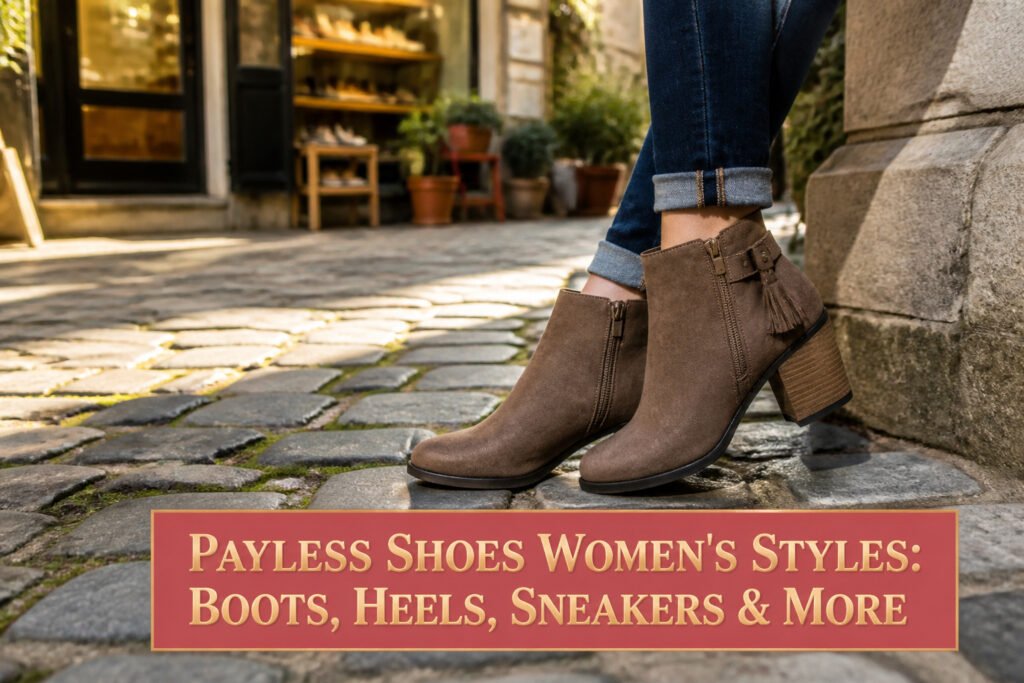
Ankle boots and booties sit at the center of what Payless does for women, and the range runs from casual weekend pairs to styles that handle a dressier evening without looking like you borrowed from someone else’s closet.
A low-heeled faux-leather bootie in black or taupe is the pair I would grab first: it works with slim jeans, midi skirts, and even under wider trousers that break just above the ankle, and the slight heel keeps it from reading too casual for dinner out.
Payless pushes this category hard, which means you will find stacked heels, wedge booties, and flat Chelsea-style pulls-on alongside the dressier options.
The materials trend toward synthetics and faux suedes at these prices, so the difference between pairs that last one season and ones that stretch to three usually comes down to checking that the sole is stitched rather than cemented and that the zipper does not catch on the first try.
I tend to pass on anything with heavy hardware or cutouts that limit what else in my closet will play nice with it.
For actual comfort, a rounded toe and a heel under two inches wins over the pointed, higher pairs that look sharper in the box but pinch by hour three.
That trade-off is worth naming: the sleeker the silhouette, the less likely you are to reach for it on an ordinary Tuesday.
Athletic Shoes

Payless keeps athletic shoes in their own lane from casual sneakers, and the distinction matters when you are picking between a morning run and a weekend walk.
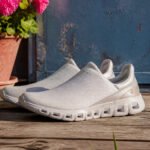
The running and training styles tend toward mesh uppers and cushioned insoles built for repetitive impact, not just the look of sport.
I would not count on them for marathon training, but for a 5K or a treadmill routine, the support holds up about as well as anything at this price point.
The insole is where you will feel the difference first: after a few wears, cheaper athletic padding goes flat, while Payless’s memory-foam layers keep their shape longer than I expected at under $40.
Sizing runs slightly narrow through the toe box, so a half-size up works if your feet swell during exercise.
Weight is the compromise; these are not the lightest trainers on the rack, and you will notice on speed days. For cross-training or gym circuits, that extra ounce of stability actually helps.
Combat and Moto Boots

Combat and moto boots at Payless serve a more aggressive silhouette than the standard ankle bootie, and that difference matters when you’re building an outfit around pieces you already own.
The lug sole and hardware on these styles read deliberate rather than borrowed: a combat boot with a chunky rubber outsole and speed-lace hooks anchors wide-leg jeans or a midi skirt without the costume effect of softer alternatives.
Motorcycle-inspired designs trade laces for straps and buckles, which changes the line entirely and works better with narrow pants that tuck or cuff cleanly.
The risk with budget-priced edgy boots is always proportion. A moto boot that sits too low on the ankle cuts the leg line awkwardly; combat boots with excess padding around the collar look bulky rather than structured.
I look for a shaft height that hits just at or slightly above the ankle bone, with a toe box that stays almond or round rather than venturing into exaggerated territory.
The hardware should be metal, not coated plastic that chips after a season of sidewalk salt.
These styles pair with feminine pieces more naturally than most women expect.
A combat boot under a floral dress creates tension that reads modern, not rebellious, provided the boot itself is matte leather or a convincing synthetic rather than patent or neon-accented.
That versatility justifies the purchase even if you wear them only twice weekly through fall.
Espadrilles
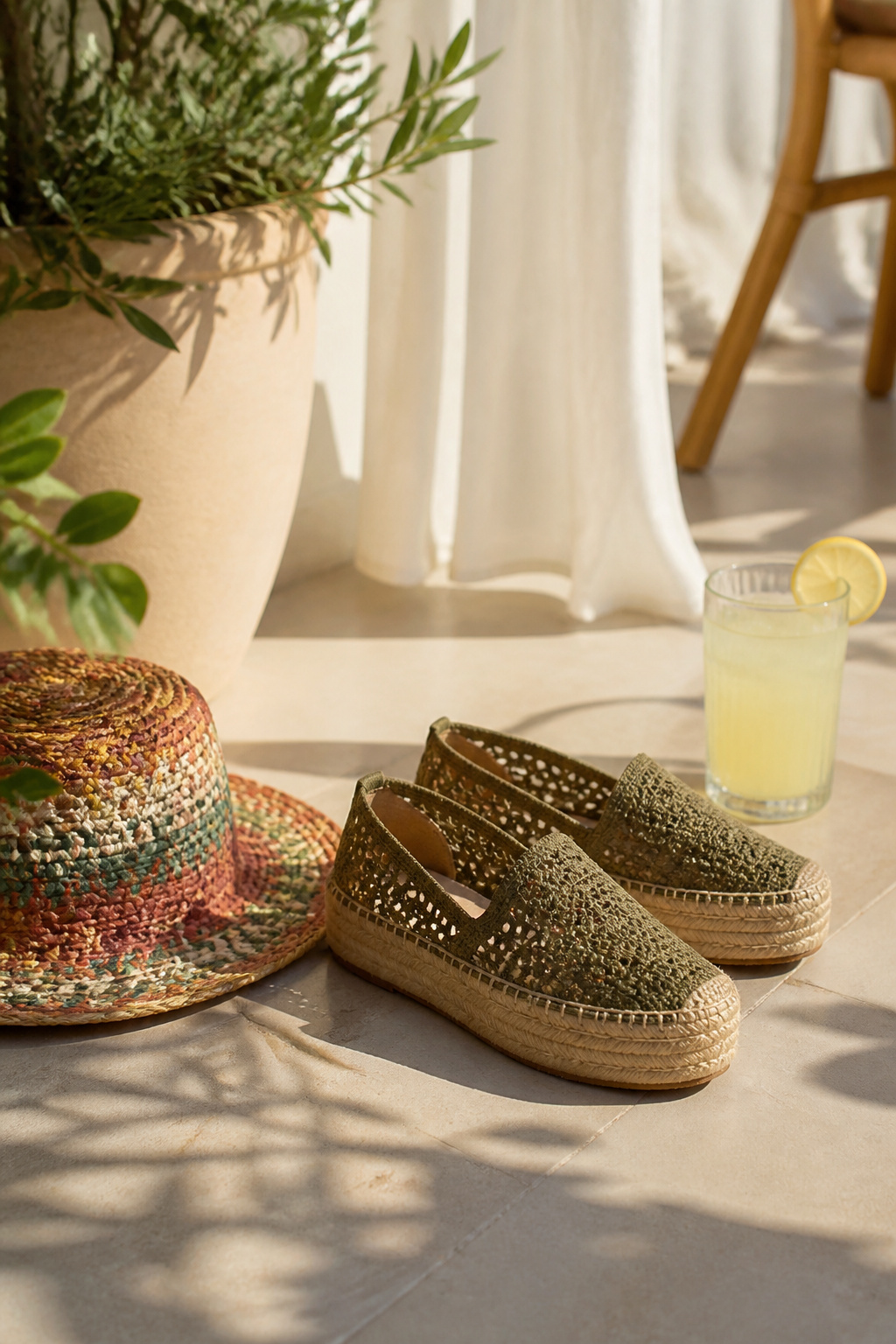
Espadrilles sit right in that warm-weather sweet spot where a shoe looks dressed up but feels like almost nothing on your foot.
Payless stocks them as a seasonal line, usually dropping around March and thinning out by September, so the window to grab a pair is narrower than with boots or sneakers.
The woven jute sole is why the category exists at all; it breathes, it flexes, and it gives that casual texture that reads "weekend brunch" rather than "office mandatory."
I have noticed the jute wears faster if you get it wet repeatedly, so these are not your sudden-thunderstorm shoe unless the upper is canvas you do not mind replacing next year.
The wedge versions add height without the pitch of a heel, which is useful if you want leg line but your calves protest after two hours in stilettos.
Flat espadrilles from Payless tend to run a touch narrow through the toe box, so if you are between sizes or carry width in the forefoot, sizing up half a step usually solves the pinch without slipping at the heel.
For pairing, they work with anything that shows ankle: cropped jeans, midi skirts, linen trousers.
The mistake is treating them like sandals and wearing them into October; once the jute starts holding dampness instead of drying, the sole darkens and the shape collapses.
At Payless price points, replacement makes more sense than rescue, so I treat mine as a 3-4 month rotation and buy knowing that going in.
Flats and Loafers

Ballet flats and slip-on loafers make up the workhorse end of payless shoes women’s collections, and the distinction between them matters more than the price tag suggests.
A true ballet flat sits low to the ground with a minimal heel and a rounded toe that works with slim trousers or A-line skirts; the loafer brings a firmer sole and enough structure to anchor wide-leg pants or a midi dress without looking underdressed.
Slip-on styles at this tier tend toward memory-foam insoles and synthetic uppers that soften after a few wears. The risk is the toe box: too shallow and your foot slides forward, too deep and the shoe gapes at the sides.
I look for a quarter-inch of visible sock or skin at the vamp when I try them on; anything more and the fit will loosen within a month.
For daily office wear, a loafer with a subtle block heel wins over a pure flat.
The small lift preserves the arch through long standing meetings, and the borrowed-from-the-boys styling reads as intentional rather than apologetic. A ballet flat saves itself for days with minimal walking or outfits where a heavier shoe would break the line.
Longevity is what you give up.
Synthetic uppers crease visibly at the toe bend and rarely recover their shape. At Payless price points, plan on a season of heavy use, maybe two of light rotation, before the structure gives out.
Heeled Boots

Heeled boots at Payless sit in a middle ground that flat ankle booties and combat styles do not quite fill. The heel adds structure to a leg line without pushing into territory that demands a full outfit change.
For daily wear I keep landing around 2 to 3 inches, enough to read as intentional but not so high that you are calculating steps on concrete sidewalks.
Payless tends to stock block heels more often than stilettos under this label, which keeps the category practical for anyone walking office corridors or parking lots.
Taller shafts, roughly mid-calf, pair better with the slimmer heel profiles; anything much higher than 3 inches starts to look costume unless the boot itself is built heavier.
The synthetic uppers common at this price point hold shape adequately but scuff visibly at the heel counter, so I would plan on a quick polish every few wears.
For the cost, these work as seasonal staples rather than decade investments, which suits a shopper testing whether heeled boots fit her routine at all.
Heels

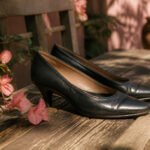
Payless built its name on heels you could replace every season without guilt, and the selection ran from office pumps to after-hours stilettos.
The house label Fioni covered the reliable middle ground: bow pumps in the $14 range, silver evening heels as low as $8, dyed pumps in plum and black suede options that rarely topped $15 even secondhand.
For anyone needing height without the wobble, block heels and cork-soled styles in the $10–$20 range traded some drama for an evening of standing.
The designer collaborations added shape and material variety.
Christian Siriano brought black heels sized into the 6.5–8.5 range at $12–$15, while Alice + Olivia and Star Jones designs turned up on resale racks around $10–$14. Strappy options in turquoise and coral canvas pushed past basic black for summer weddings or dinner out.
Fit was the real variable. Wide widths appeared sporadically, a 7 Wide here, an 11 medium there, but narrow and standard sizes dominated.
Heels at Payless worked best as event shoes or trend experiments, not daily workhorses. The four-inch stilettos at $10 looked the part for one night; the rounded-toe Dexter pumps at $25 could survive a few months of regular wear.
Choose the block heel or cork style if you need to last a full evening on your feet.
Lace Up Boots

Lace-up boots at Payless split cleanly into two camps worth knowing.
The hiking-influenced styles carry rubber lug soles and padded collars that read utilitarian without the weight of actual trail gear; I find they work best with straight-leg jeans where the laces stay visible.
The fashion lace-ups trade that grip for slimmer silhouettes, often with stacked heels or wedge platforms that add height while the eyelets keep the look grounded.
What separates these from pull-on booties is the adjustability: a narrow ankle or wider calf isn’t stuck with one opening, and the lacing lets you control how the shaft sits against leggings or bare skin.
Time is what you give up.
A zippered bootie goes on in seconds; these demand a minute at the door. For me, that minute pays off on days when I’m walking more than a block and want the shaft to stay put without slouching.
Skip the fashion lace-ups with smooth leather soles if you commute on pavement; the hiking-inspired tread is the safer buy for actual mileage, while the dressier pairs earn their keep seated at a desk or dinner.
Moccasins

Payless moccasins sit in that odd space between slipper and shoe, and the distinction matters for how long they’ll last outside the house.
The soft construction that makes them comfortable, usually suede or faux suede uppers with a flexible sole, also means they flatten out faster on pavement than a structured loafer would.
I treat them as indoor-to-patio shoes, or for quick errands where I am not logging serious miles.
The classic driving moccasin style, with that nubby rubber pad across the heel, holds up better than the fully soft-soled versions if you do need to wear them out.
Faux suede runs about $20–25, genuine suede closer to $35, and the price gap reflects longevity more than looks at first glance.
The real suede develops that worn-in patina; the synthetic version tends to pill or crack at the toe crease after a season.
Sizing runs generous, which works if you want to slip them on barefoot but can leave you swimming if you try to wear socks.
I go down a half size, or skip them entirely for winter when I need the warmth.
For a woman building a capsule wardrobe, moccasins are a narrow call: cozy and useful for about three seasons, but not a replacement for a real flat or a real slipper.
Mules and Clogs

Backless styles have circled back into rotation, and Payless carries both mules and clogs at prices that make experimenting feel low-risk.
A mule with a low stacked heel works as the bridge shoe: dressy enough for the office, easy to kick off at the door, and the heel stays low enough that you are not wobbling through parking lots.
I would skip anything over about 2 inches unless the sole is substantial; a thin heel on a backless shoe turns into a stability problem fast.
Clogs at Payless tend toward the classic molded sole or a lightweight EVA version. The molded ones hold shape longer but weigh more, which I notice by afternoon if I am on my feet a lot.
The lighter pairs trade some arch support for that weight savings, so I would plan to add an insole if I am wearing them beyond a few hours.
Sizing runs slightly generous in most backless styles, since there is no heel counter to hold you in place.
I would order my usual size only if the toe box is narrow; otherwise, half down keeps the foot from sliding forward and crunching toes.
The real test is whether the shoe stays on when you pick up your pace. A backless shoe that flaps with every step is a shoe that sits in the closet.
Over the Knee Boots

Over-the-knee boots from Payless sit in a separate category from ankle and mid-calf styles, and that extra height changes what they can do for an outfit.
The brand stocked these as a distinct filter alongside lace-up boots and combat styles, which tells me they treated the silhouette as a deliberate choice rather than just more of the same boot.
I would not reach for these expecting the same versatility I’d get from ankle booties.
The shaft height limits them to skirts, shorter hemlines, or very slim pants that won’t bunch at the top, so they demand more planning in the morning.
On resale platforms, Payless over-the-knee boots surface under $50, often well under, which makes them a low-risk way to test whether the look works for your frame and wardrobe before committing to a pricier version.
What you sacrifice is materials and longevity: at that entry point, expect synthetic uppers that slouch more and hold their shape less than leather builds.
For occasional wear or a single season’s statement, that equation can still work. I would skip them if you need boots that transition from office to evening, but grab them for weekend outfits where the drama is the point.
Platforms
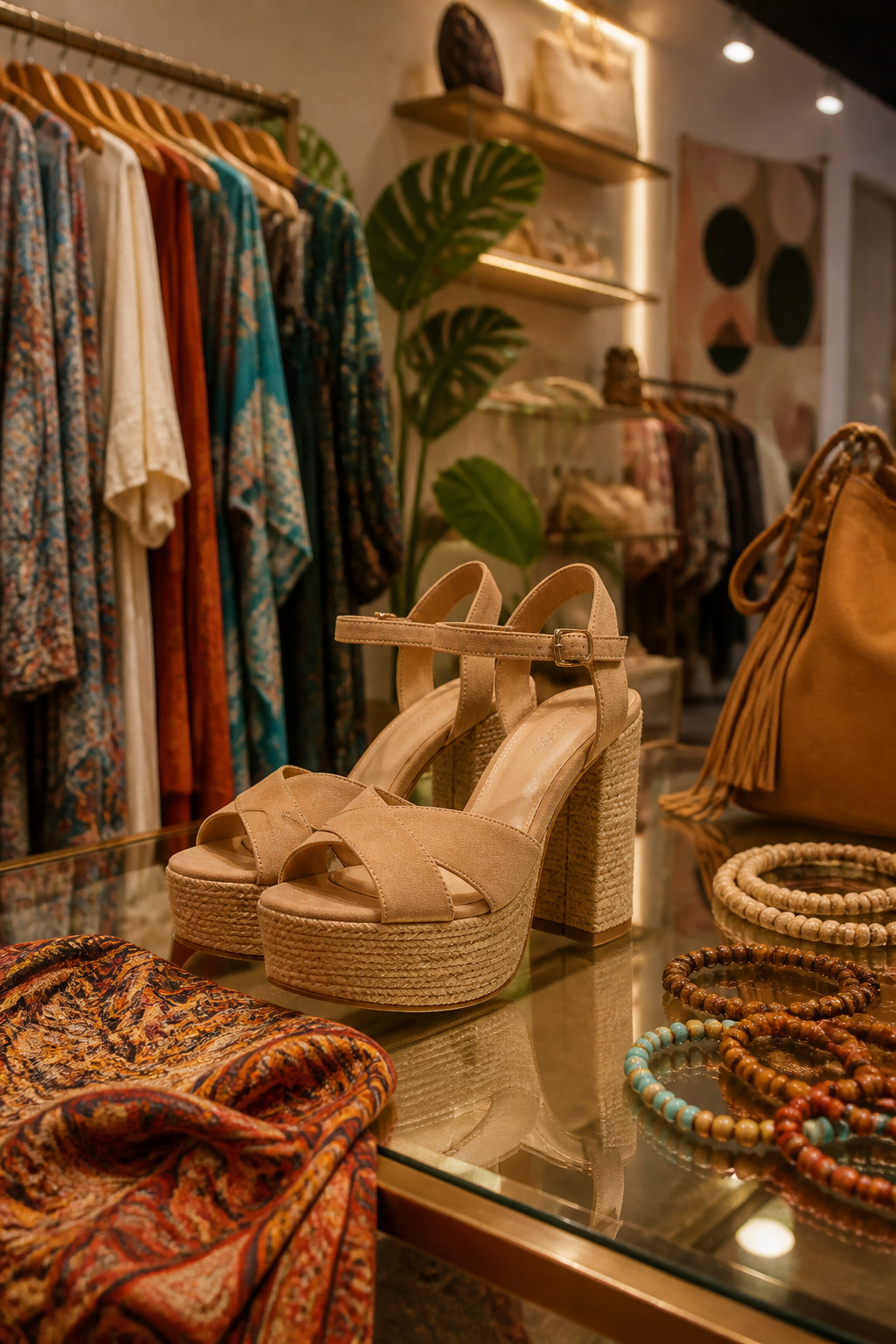
Platform soles show up across Payless in sandals, boots, and heels, and the appeal is straightforward: you get the lift without your foot pitching forward into a steep angle.
I notice this most in the sandal lineup, where a chunky platform base turns what looks like a 4-inch heel into something closer to a 2-inch incline under the ball of your foot.
The same logic carries into boots, where a platform sole adds height to a lug or block heel without making winter walking feel like a balancing act.
Heels with platform fronts are the real utility play here; the extra material under the toe offsets the heel elevation, so your calf and arch do less compensating work.
A platform heel at Payless typically gives you 1 to 1.5 inches of front lift, which is enough to matter for comfort but not so thick that the shoe turns clunky.
Weight is the compromise; these soles run heavier than standard heels, and some of the boot styles in particular can feel like a lot of shoe by the end of a long day.
If you want height you can actually stand in for more than an hour, platform construction is usually the better buy over a bare stiletto at the same heel measurement.
Sandals

Payless built its name on sandals that look pricier than they are, and the women’s range still leans hard into that promise.
Flat slides and gladiators dominate the entry wall, usually in synthetic uppers with padded footbeds that go flat faster than leather but cost half as much.
I would not expect more than a season of heavy wear from the budget tier, though the styling holds up for occasional outings.
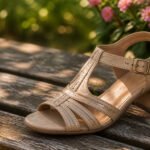
The heeled sandal line runs from 1.5-inch kitten stacks to 4-inch strappy numbers, and this is where Payless earns its keep for event dressing.
The block heels feel steadier than the stilettos, which wobble on anything but smooth pavement. Skip the stiletto sandal for outdoor weddings or cobblestone streets, even if the price tempts you; a twisted ankle costs more than the shoe.
Wedges sit in the middle ground I find most useful: enough lift to work with cropped pants, enough sole to walk a fairground or boardwalk without sinking.
The espadrille-wrapped versions look current, though the jute trim frays at the toe if you scuff. Sizing runs generous in the wedge category, so trying on matters more here than with the flatter styles.
Warm-weather inventory turns over fast, and the best sizes disappear by mid-June. If you need a specific width, ordering early beats hoping for a restock.
Slippers

Indoor footwear at Payless fills a separate drawer from your outdoor rotation. Slippers and house shoes prioritize warmth and floor grip over pavement durability, which means the construction differs in ways that matter once you wear through a few pairs.
Memory foam linings tend to flatten within a season of daily use, so I look for rubber outsoles even on indoor styles.
That thin layer of actual rubber, not just textured fabric, keeps you from sliding on kitchen tile and extends the life of the slipper past the first wash.
Payless typically prices these under the boot and sneaker categories, which makes sense given the lighter materials, but the cost gap also shows in the upper fabric.
Faux shearling pills faster than the real thing, and synthetic suede collects odors that wool or cotton resist.
For anyone working from home full-time, the slipper section is worth a stop before you default to wearing your street sneakers indoors. The right pair saves your floors and your outdoor shoes at a lower replacement cost than either.
Sneakers

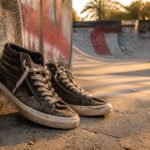
Fashion sneakers and canvas styles fill most of the Payless women’s casual wall, and that ratio makes sense for how most women actually wear them.
The canvas slip-ons and low-tops work with the same jeans and sundresses that used to go to ballet flats, but they last longer through repeated washing and the rubber outsole grips better on wet pavement.
I look for a removable insole first, since the factory footbed in budget canvas is usually thin enough that you’ll want to swap in your own after a month of regular wear.
The fashion sneakers with synthetic uppers and contrast soles clean easier than canvas but trap more heat, so they sit unused in my closet from June through August.
Payless tends to run narrow through the toe box on these styles, which keeps the silhouette sleek but means women with wider forefeet should try a half size up or stick to the canvas lace-ups that give a little as they break in.
Wedges

Wedges at Payless split cleanly into two camps that serve different seasons and dress codes.
Open-toe wedge sandals carry the same casual DNA as flat sandals but add 2–3 inches of lift without the wobble of a stiletto; the wider base sits under the ball of the foot and the heel both, so your weight spreads instead of stacking on a single point.
I look for cork or raffia wraps on the heel itself, since that texture reads as daytime and beach-appropriate even when the height says otherwise.
Closed-toe wedges, usually a pump or bootie shape, work the same stability into outfits that need more polish.
The toe box hides where the sandal would expose, which matters for offices with open-toe rules or for wearing tights through cooler months.
Weight is where you pay: a closed-toe wedge runs heavier than its sandal cousin, and after a full day on your feet I notice the difference.
Payless keeps both shapes in synthetic uppers at prices that sit below most department-store entry points, though the insoles are typically thin foam over a board last.
If you are standing or walking for hours, a drugstore gel insole dropped inside fixes the comfort gap for about $8.
I would skip the platform-wedge hybrids; the extra lift under the forefoot cancels some of the stability that makes a wedge worth choosing in the first place.
Winter and Rain Boots

Insulated winter boots at Payless run warm enough for city commutes without the bulk that makes driving awkward.
I look for rubber soles with actual tread, not the stamped pattern that slicks over after two walks through slush. The difference shows up on salted parking-lot ice around February.
Rain boots sit lower and lighter, usually hitting mid-calf with a matte or gloss PVC shell. Payless keeps them simple: pull-on styles with a fabric lining to stop that clammy vinyl feel after twenty minutes.
A removable insole matters more here than in winter boots, since PVC doesn’t breathe and your foot sits in its own humidity.
The two categories overlap less than you’d expect. Winter boots with waterproof exteriors exist, but the insulation traps moisture from inside; rain boots with added fleece linings get too warm for fall drizzle and never dry overnight.
I treat them as separate purchases, sized differently too: winter boots need room for thick socks, rain boots fit closer to your true size since you’ll wear them with what you already have on.
What Payless Sizes Run

Payless covers women’s sizes 5 through 13, including half sizes up to 12.5. That upper range already outpaces many mainstream retailers, where 11 often marks the ceiling for in-store stock.
The resale market tells the rest of the story. Listings for Payless heels in sizes 11, 12, and 13 move regularly, and I have seen enough "runs small" notes on size 9 pairs to treat the brand as inconsistent rather than generous.
A 9.5 Christian Siriano pump fitting like a 9 is not a fluke; it is a pattern worth testing with a half-size up, especially in pointed or narrow silhouettes.
Half sizes matter most between 5 and 12.5, but the gap from 12.5 to 13 is full-size only, so anyone on the border there should plan on an insole or thicker sock.
Widths are standard medium for most of what I have tracked; wide-footed shoppers will find the athletic and comfort lines more forgiving than the dress styles, though that is true of nearly every budget brand.
What Payless Prices Look Like

Payless shoes women’s listings on resale platforms like Poshmark sort into price tiers starting under $25, with brackets running $25–$50, $50–$100, $100–$250, $250–$500, and over $500.
At the entry level, you are mostly looking at pre-owned Fioni or Brash heels, basic comfort insoles around $5, and simple strappy sandals in the $10–$15 range.
The $25–$50 band picks up deadstock vintage finds, Christian Siriano collaboration pumps, and newer block-heel styles. Once you cross into $50–$100, the selection thins but includes bridal-grade vintage slingbacks and limited-edition pieces that originally retailed higher.
The upper tiers above $100 appear to be collector or resale anomalies rather than standard Payless pricing, with the occasional listing touching $199 for unworn Y2K-era styles.
I would not bank on finding current-season inventory at those heights. For actual shopping, the practical floor is about $10 for worn heels and $20–$35 for wearable deadstock, which tells you what the market thinks these are worth secondhand.
Designer Collaborations

Payless built its name on budget basics, but the Christian Siriano collaboration is what still pulls collectors in years later.
These limited drops sell out fast, then resurface on resale sites like Poshmark at $12 to $15 for heels that originally hit around $30.
That aftermarket price tells you something: the designs had actual fashion credibility, not just a famous name stamped on a generic sole.
The mechanics work like typical fast-fashion collabs. A small batch lands in select stores and online, the styles get photographed on red carpets, and inventory vanishes before most shoppers know it existed.
One YouTube reviewer noted she had to hunt specifically for the Siriano flats in her local Payless, while the regular racks sat fully stocked.
That scarcity is the point, but it also means the average Payless shopper never touched the "designer" side of the brand.
Whether these represent Payless value depends on what you value.
The construction stayed synthetic, the comfort level matched the mainline pumps, and the limited colorways went to the same factories. I see them as a fun find if you catch the drop, not a fundamentally better shoe.
For women building a capsule wardrobe, a $12 Poshmark Siriano score beats a $40 mainline purchase on novelty alone. For everyday miles, the standard Payless heel wears the same and costs less trouble to replace.
Frequently Asked Questions
What types of women’s shoes does Payless offer?
Payless offers women’s shoes across seventeen categories, including ankle boots and booties, athletic shoes, combat and moto boots, espadrilles, flats and loafers, heeled boots, heels, lace-up boots, moccasins, mules and clogs, over-the-knee boots, platforms, sandals, slippers, sneakers, wedges, and winter and rain boots.
What are the price ranges for women’s shoes at Payless?
New women’s shoes at Payless typically ran under $40 for athletic styles, with heels and flats often landing between $10 and $25. Resale platforms now list used pairs from under $25 up to $500 or more for rare or vintage finds.
What sizes are available for women’s shoes at Payless?
Payless carried women’s shoes in standard sizes 5 through 13, with half sizes offered at most points. Wide widths appeared sporadically, so anyone needing a 7 Wide or similar often had to hunt or size up a half step.
Can you still order from Payless online?
Yes.
Payless relaunched its e-commerce website in August 2020 after emerging from bankruptcy, though North American physical stores closed. Stores outside North America, along with newer openings in the Philippines and Barbados, continue to operate in person.
Where can I buy cheap women’s shoes?
Payless remains an option through its online store and resale platforms like Poshmark, where used pairs start under $25. For in-person shopping, discount chains and off-price retailers fill the same niche that Payless physical stores once occupied.
Why did Payless Shoes shut down?
Payless filed for bankruptcy in 2019 and closed its North American stores and e-commerce platform at that time.
The company emerged from bankruptcy in early 2020, dropped ‘ShoeSource’ from its name, and shifted to an online-only model in North America while keeping some international locations open.
Is Payless making a comeback?
Payless returned as an online retailer in 2020 and has since opened new stores in select international markets, including the Philippines and Barbados. In the United States, the brand operates through its e-commerce site rather than physical locations.